October 27, 2026
Construction delays can disrupt budgets, push back deadlines, and create scheduling problems for contractors and suppliers. Whether caused by equipment shortages, mechanical failures, or difficult site conditions, these setbacks can affect every stage of a project. Having the right machinery available at the right time is essential for maintaining productivity and meeting construction milestones.
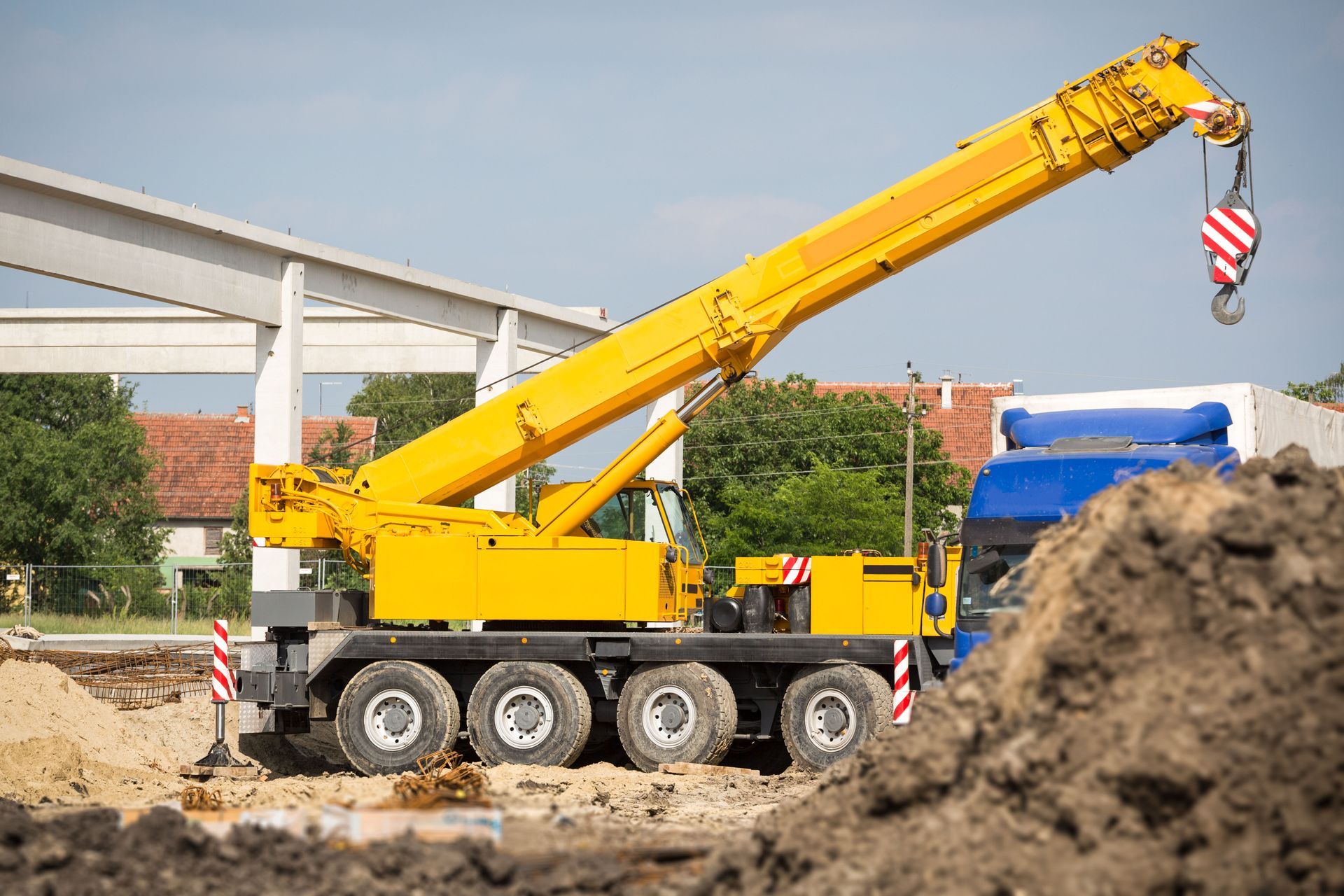
Crane rental gives construction companies access to equipment suited to their lifting requirements without the expenses associated with ownership. Flexible rental arrangements can reduce downtime and help teams adapt to changing demands. According to Global Market Insights, the U.S. crane rental market was valued at $6 billion in 2025 and is expected to reach $14 billion by 2035, reflecting the growing importance of rental equipment across the industry.
1. Preventing Equipment Shortages
Understanding Equipment Availability
Construction work can stall when essential machinery is unavailable. Projects may require cranes to position structural steel, lift roofing materials, or install heavy components. Equipment shortages caused by supply chain disruptions, scheduling conflicts, or unexpected breakdowns can prevent crews from completing critical tasks.
These interruptions often increase labor costs and require subcontractors to reschedule their work. Securing machinery before important project phases begin helps prevent these complications and keeps construction moving.
Improving Equipment Procurement
Timely procurement requires managers to identify equipment needs before each project phase begins. Coordinating delivery dates with labor schedules and material arrivals helps ensure machinery is ready when needed. Purchasing a crane, however, can involve substantial upfront costs and lengthy acquisition timelines.
Crane rental provides an alternative by allowing contractors to arrange equipment for specific tasks or project periods. Contacting providers early helps confirm availability, coordinate transportation, and reduce the risk of last-minute scheduling problems.
Matching Equipment to Project Requirements
Different construction activities require different lifting capacities, reach, and mobility. Selecting equipment based on load weights, lifting heights, site access, and ground conditions helps prevent delays caused by unsuitable machinery.
Rental providers can help contractors identify options that meet project specifications. This planning is particularly valuable when specialized equipment is needed for a limited period, allowing crews to complete lifting tasks without investing in machinery they rarely use.
2. Preventing Inefficient Equipment Allocation
Recognizing Resource Management Problems
Poor equipment allocation can create bottlenecks even when machinery is available. A crane may sit idle at one location while another crew waits for lifting support. Overlapping schedules, inaccurate forecasts, and inadequate communication can make these problems more frequent.
These inefficiencies increase costs through unnecessary transportation, downtime, and labor delays. Detailed resource planning helps ensure equipment supports the construction schedule rather than becoming an obstacle to progress.
Coordinating Equipment With Project Schedules
Construction managers can improve allocation by maintaining schedules that identify when each crew needs specific machinery. Regular coordination meetings and resource-tracking software help teams anticipate competing demands and arrange equipment transfers before delays occur.
Contingency plans are also important. Weather changes, delivery problems, and adjustments to project scope may require equipment schedules to change. Maintaining communication with providers gives contractors more options when their original plans are disrupted.
Using Rental Flexibility to Reduce Downtime
Crane rental allows contractors to match equipment availability to individual project phases. A company might arrange a crane for steel installation and release it when the work is complete, avoiding the cost of maintaining machinery that is no longer needed.
Flexible arrangements also help teams respond to changing workloads. Contractors can explore additional equipment when lifting demands increase or adjust rental periods when requirements decrease. This adaptability supports resource efficiency while helping crews maintain productivity.
3. Preventing Mechanical Failures and Maintenance Delays
Understanding Equipment Failure Risks
Mechanical problems can interrupt construction without warning. Hydraulic issues, worn components, and electrical faults may prevent a crane from operating properly. A breakdown during a scheduled lift can leave workers waiting while supervisors arrange inspections, repairs, or replacement equipment.
These interruptions can affect multiple trades when subsequent tasks depend on a completed lift. Regular inspections and proper maintenance help reduce these risks and protect project timelines.
Prioritizing Inspections and Maintenance
Before lifting operations begin, contractors should confirm that equipment has received appropriate inspections and that required documentation is available. Operators and supervisors should check for visible damage and other potential concerns before work starts.
Rental providers may maintain their fleets through scheduled servicing, but contractors should verify the condition of the specific crane supplied. Establishing clear responsibilities for inspections, repairs, and reporting helps teams address problems before they cause significant delays.
Planning for Equipment Replacement
Even well-maintained machinery can experience unexpected problems. Construction managers should establish procedures for reporting breakdowns and determining whether replacement equipment is available. Reviewing the crane rental agreement's repair and replacement provisions beforehand can help teams respond quickly.
When suitable alternatives can be arranged promptly, contractors may avoid extended downtime and protect important project milestones.
4. Preventing Delays From Difficult Site Conditions
Addressing Limited Access and Restricted Space
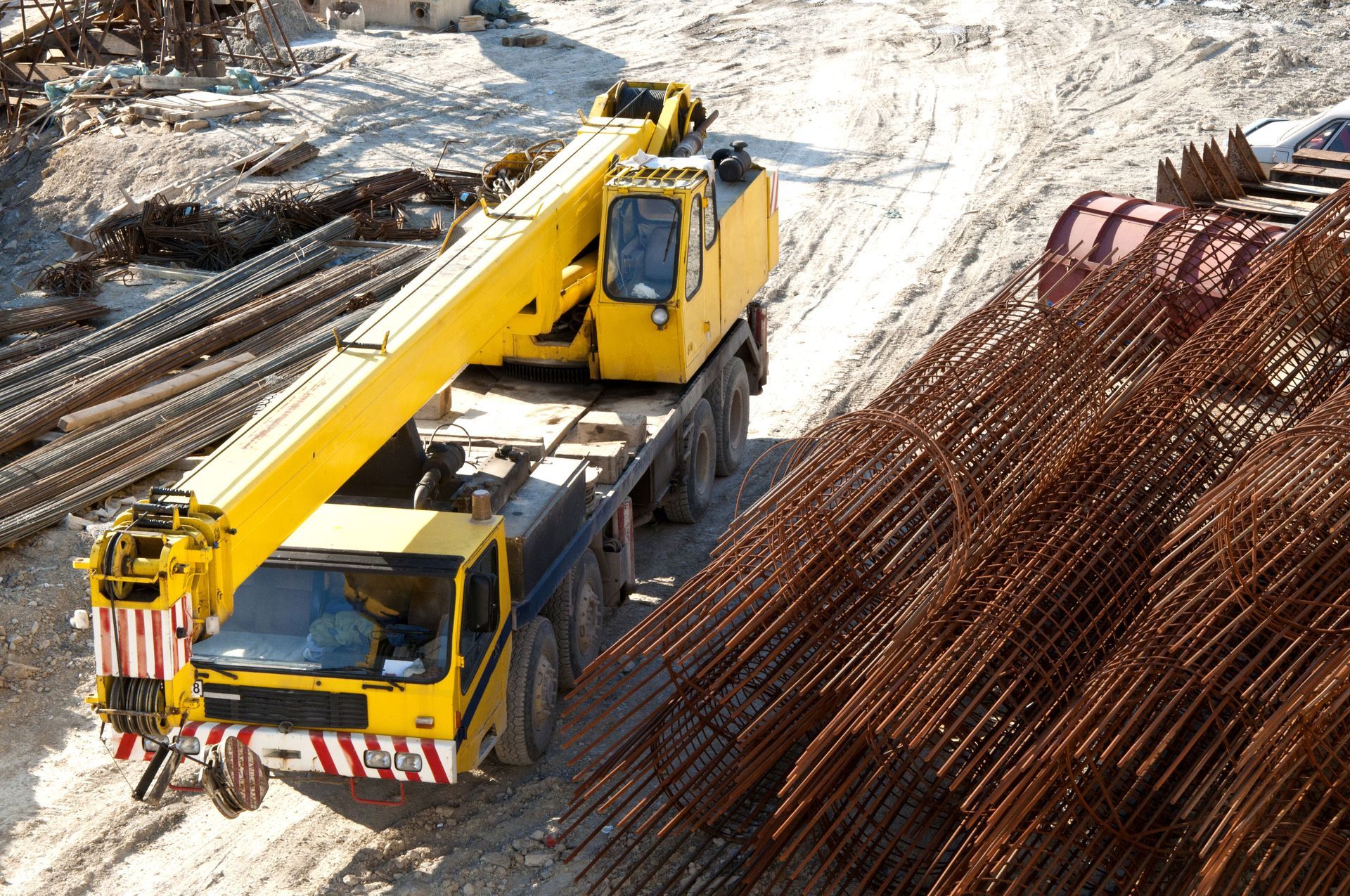
Construction sites rarely provide identical working conditions. Urban developments may have narrow access routes, nearby buildings, and limited setup space. Remote projects can present transportation challenges, while uneven ground may complicate crane positioning.
Contractors should assess access routes, ground conditions, lifting distances, and available setup areas before scheduling deliveries. These evaluations help identify obstacles early and prevent delays caused by unsuitable equipment.
Coordinating Transportation and Site Preparation
Delivering a crane may require route planning, permits, or temporary traffic management. If access arrangements are incomplete, equipment may arrive late or be unable to reach its intended position.
Coordinating transportation with site preparation helps contractors organize deliveries and prepare suitable working areas. Discussing setup requirements with the provider beforehand reduces the likelihood of avoidable logistical interruptions.
Adapting to Changing Site Requirements
Site conditions can change as construction progresses. Ground conditions may deteriorate, access routes may become restricted, or lifting requirements may increase. Contractors should review equipment needs as work advances rather than relying entirely on initial plans.
Maintaining communication with providers helps project managers explore alternative equipment when requirements change, reducing the likelihood of prolonged interruptions.
5. Preventing Delays Through Better Budget and Schedule Management
Controlling Equipment Expenses
Unexpected equipment costs can strain construction budgets and complicate resource planning. Purchasing machinery involves upfront investment and ongoing expenses for maintenance, storage, and repairs. These costs may be difficult to justify when a crane is needed only occasionally.
Renting allows contractors to align equipment expenses with project needs. However, budgets should account for crane rental rates, transportation, setup, and rental duration. Comparing total costs helps managers avoid unexpected charges and allocate funds more effectively.
Maintaining Realistic Project Timelines
Reliable schedules account for equipment delivery, setup, inspections, and lifting operations. Building reasonable contingencies into timelines helps contractors respond to unexpected developments without immediately disrupting every subsequent task.
Securing equipment early and confirming delivery arrangements reduces uncertainty. Coordinating crane availability with material deliveries and crew schedules also helps prevent downtime and maintain project milestones.
Strengthening Communication Between Teams
Construction delays often occur when important information is not shared promptly. Project managers, equipment providers, operators, and subcontractors need a clear understanding of schedules, site conditions, and lifting requirements. Regular updates help teams identify conflicts before they interfere with active work.
Clear communication also supports safe operations by ensuring that responsibilities and lift plans are understood before work begins. Coordinated teams can manage equipment more efficiently and reduce unnecessary interruptions.
Construction delays can result from equipment shortages, poor allocation, mechanical failures, difficult site conditions, and scheduling problems. Advance planning, appropriate equipment selection, and consistent communication help contractors address these challenges before they disrupt progress. Flexible rental arrangements provide access to necessary machinery while allowing teams to adapt to changing project demands.
For construction teams seeking dependable equipment support, A & B Welding & Construction Inc can help discuss project requirements and equipment needs. Contact the company to explore available crane rental options and take proactive steps toward keeping your construction schedule on track.