November 16, 2026
On a construction site, a few decisions ripple through the schedule like the choice of who handles your lifting. Steel, precast panels, mechanical units, and roof trusses all wait on the crane, and every trade behind them waits too. When lifts happen on time, crews stay productive, and milestones fall into place. When they don't, idle labor, rescheduled deliveries, and missed deadlines pile up fast. That's why experienced developers and general contractors treat crane contractors as strategic partners rather than line items. Below are seven reasons the right lifting partner can keep your project on pace, and how the wrong one can quietly push it off course.
1. Proven Experience Keeps Work Moving
Qualifications are the starting point. Certified operators, licensed riggers, and current credentials show that a company takes industry standards seriously. But paperwork alone doesn't keep a schedule intact. What separates top performers is hands-on experience with projects like yours. A team that has worked on mid-rise steel frames understands the sequencing, tight tolerances, and coordination those jobs demand. A team familiar with industrial or commercial sites knows how to work around active operations and restricted access. That familiarity shortens the learning curve and helps crews anticipate problems before they surface. When a challenge does appear, such as a shifted delivery, an unexpected ground condition, or a change in load weight, seasoned operators adjust quickly instead of stopping work to figure it out. Each avoided pause adds up, and over the life of a project, experience becomes one of the most reliable protections for your timeline.
2. Safety Compliance Prevents Costly Shutdowns
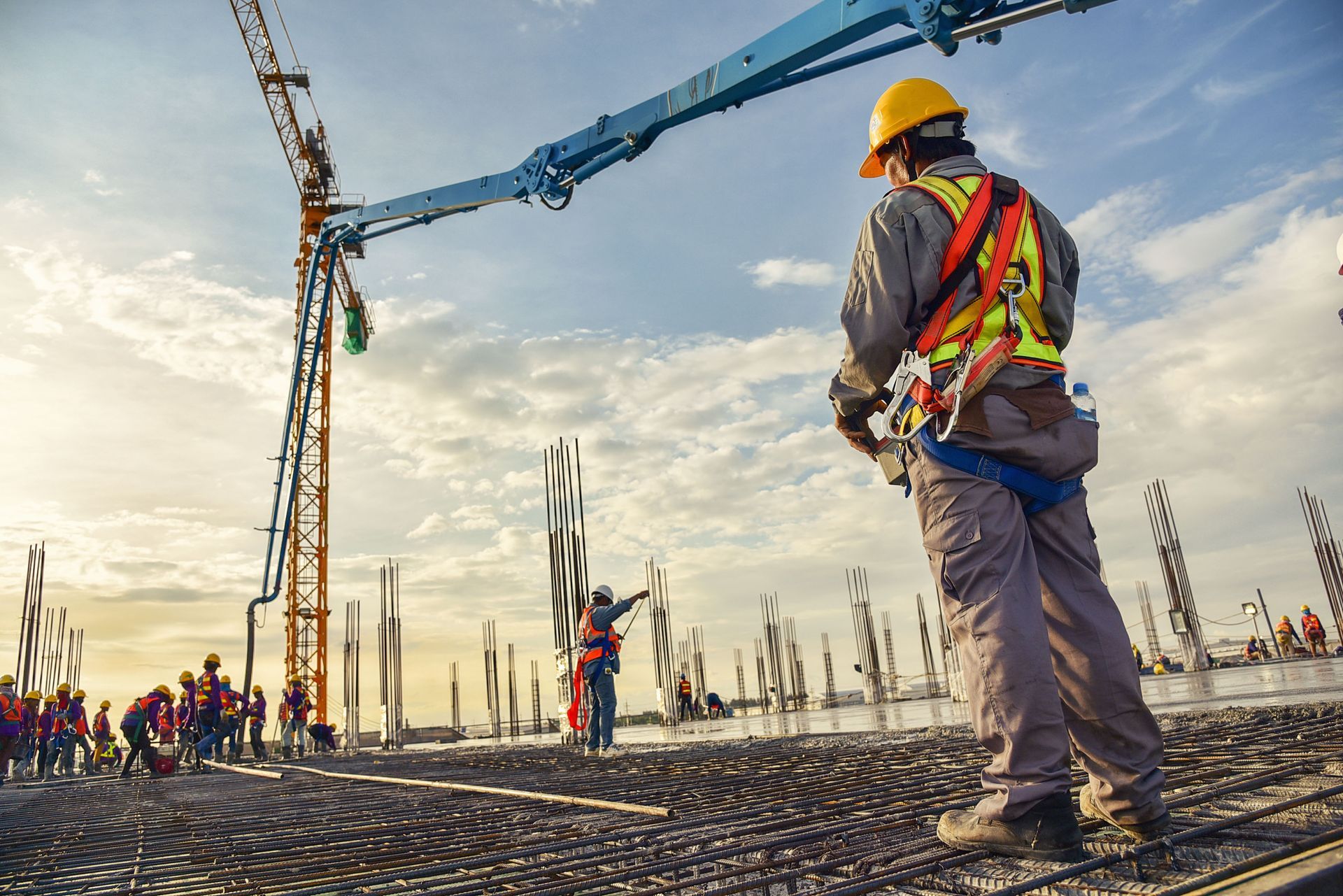
Nothing stops a job site faster than an incident. Accidents trigger investigations, work stoppages, and sometimes legal action, all of which can set a schedule back by days or weeks. That's why a strong safety record matters so much. Reputable crane contractors follow OSHA requirements, maintain current operator certifications, and invest in ongoing training so crews stay current with best practices and new equipment. Look for a documented safety program, regular site inspections, and clear procedures for lift planning, signaling, and exclusion zones. Proactive risk management is just as important. A safety-focused team identifies hazards like overhead power lines, poor soil conditions, or high winds before they become problems, and adjusts the plan accordingly. Non-compliance, on the other hand, can bring fines, failed inspections, and damaged reputations. Choosing a partner that treats safety as non-negotiable protects your workers, your structure, and the calendar you've committed to.
3. Reliable Equipment Reduces Costly Downtime
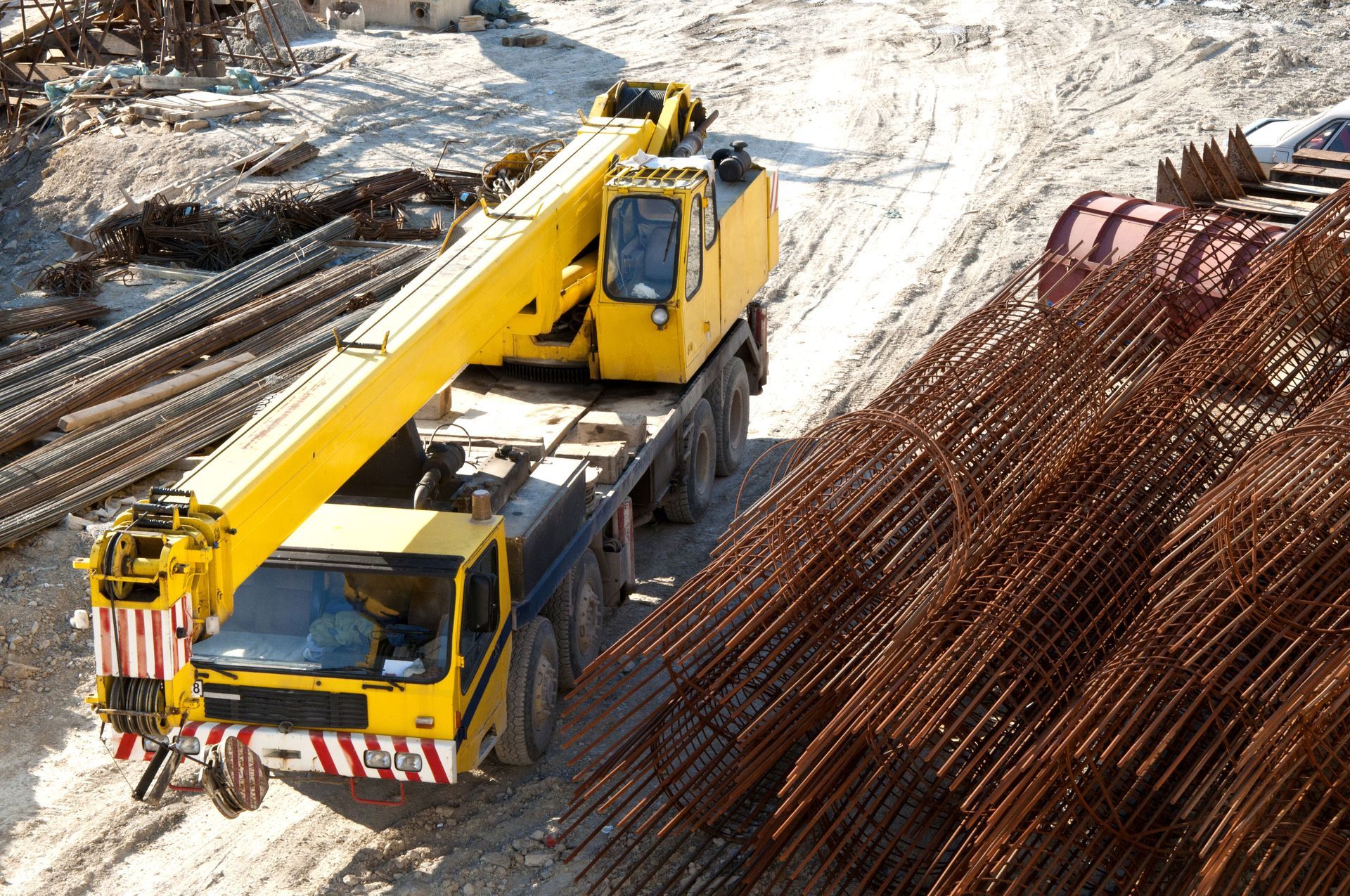
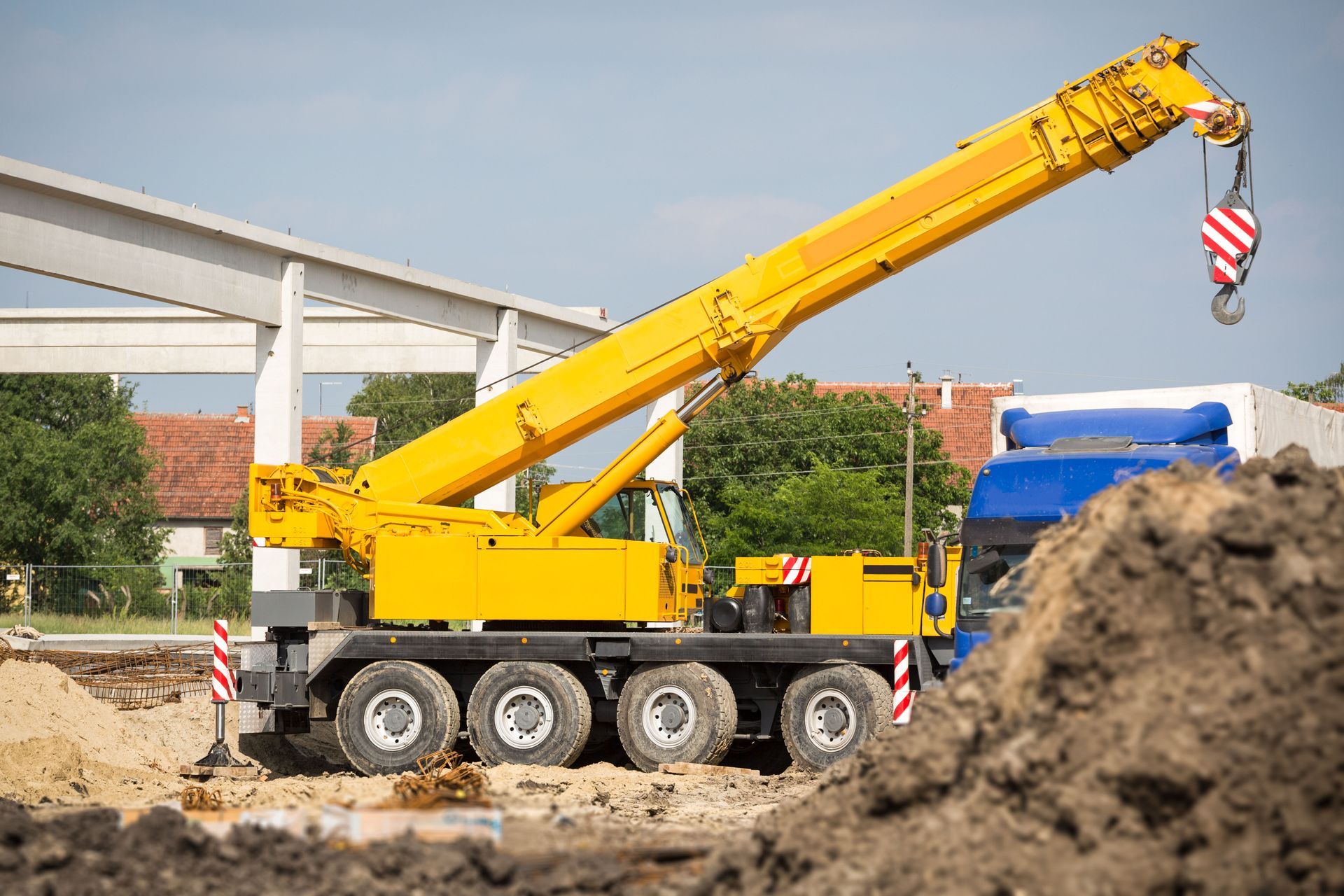
A crane that breaks down mid-lift doesn't just cost a repair bill. It can leave steel erectors, concrete crews, and delivery trucks waiting with nothing to do. Equipment quality and availability are central to keeping a project moving. Well-maintained, modern machinery offers better safety features, more precise controls, and fewer surprises. Ask potential partners how often their fleet is inspected, how they track maintenance, and what happens if a unit goes down. The best crane contractors keep standby equipment and qualified technicians ready to respond, so a mechanical issue becomes a brief hiccup rather than a multi-day delay. Fleet variety matters too. Projects evolve, and scope changes may call for a higher-capacity crane, a different boom configuration, or an additional unit for a short period. A partner with flexible equipment options can adapt quickly, keeping each phase flowing smoothly into the next.
4. Smart Lift Planning Protects Sequencing
Every lift on a construction site is connected to something else. A delayed beam placement can hold up decking, which holds up concrete, which holds up the trades that follow. Careful lift planning keeps that chain intact. Skilled teams review drawings, calculate load weights and lift radii, evaluate ground bearing capacity, and select the right equipment for each pick well before mobilization. They also consider site logistics, including crane placement, delivery routes, laydown areas, and swing paths that avoid conflicts with other work. Detailed planning reduces the chance of last-minute surprises, such as discovering a crane can't reach a critical location or that a load exceeds safe capacity. It also allows lifts to be grouped efficiently, minimizing setup and teardown time. When planning is thorough, the crane becomes a predictable part of the schedule instead of a variable that keeps everyone guessing.
5. Clear Communication Aligns Every Trade
Construction projects rely on many moving parts, and the crane often sits at the center of them. Clear, consistent communication ensures that everyone, from the superintendent to the steel crew, knows what's happening and when. Strong crane contractors establish direct lines of contact, participate in coordination meetings, and share lift schedules well in advance. They define roles and responsibilities clearly, so there's no confusion about who handles rigging, signaling, or site preparation. That clarity helps prevent duplicated effort, gaps in responsibility, and costly rework. Real-time responsiveness matters too. When weather changes or a delivery arrives late, a communicative partner adjusts quickly and keeps the rest of the team informed. Regular updates to the client also build trust and support better decision-making, since potential schedule impacts are flagged early rather than discovered at a milestone.
6. Transparent Pricing Protects the Budget
Cost and schedule are closely linked. Unexpected charges can strain financing, delay approvals, and slow progress while budgets are reworked. That's why transparent, detailed proposals are so valuable. A trustworthy partner clearly outlines what's included, such as mobilization, operator time, rigging, permits, and standby, so there are no surprises later. Competitive rates matter, but the lowest bid isn't always the best value. A cheaper option that causes delays, safety issues, or repeated equipment problems can end up costing far more over the life of a project. Instead, evaluate the full return on your investment, including reliability, efficiency, and the ability to meet deadlines. According to Market Research Future, the crane industry is projected to grow from $39.6 billion in 2025 to $63.3 billion by 2035, so choosing a lifting partner wisely is becoming an even bigger investment decision. Crane contractors who stick to their quoted scope and communicate changes upfront help you maintain steady cash flow and keep funding available for every phase. Over time, that financial predictability supports both project success and long-term profitability.
7. Strong Reputation Signals Dependable Results
Past performance is one of the best predictors of future results. Before signing an agreement, take time to look into a company's track record. Client testimonials, online reviews, and case studies reveal how a team has handled real projects, including challenges, tight deadlines, and changing conditions. Referrals from general contractors, developers, and other industry peers can be especially valuable, since they come from people who have seen the work firsthand. Industry recognition and long-standing relationships with repeat clients also point to stability and consistent quality. Ask for examples of projects similar in size and scope to yours, and don't hesitate to request references. Crane contractors with a history of on-time, incident-free work have earned their reputation through consistent performance. Partnering with one gives you greater confidence that your project will stay on track from the first lift to the last.
In construction, time truly is money, and the crane often sets the pace for everything else on site. The right partner brings proven experience, a strong safety culture, reliable equipment, careful lift planning, clear communication, honest pricing, and a reputation backed by results. Together, those strengths keep crews productive, deliveries on schedule, and milestones within reach. As projects grow more complex, choosing among crane contractors becomes a strategic decision that can determine whether a job finishes on time or falls behind. If you're planning your next project and want a lifting partner who understands how much your schedule matters, contact A & B Welding & Construction Inc today to discuss your needs and get your project moving with confidence.