June 24, 2026
Crane operations play a central role in modern construction, infrastructure development, energy projects, and industrial logistics. As projects become more complex and timelines more demanding, many organizations are turning toward flexible equipment solutions to meet lifting requirements efficiently. One of the most practical approaches in this space is crane rental, which allows businesses to access specialized lifting equipment without long-term ownership commitments.
This guide explores the essentials of crane rental services, including types of cranes, industry benefits, safety considerations, and emerging market trends shaping the future of lifting operations.
Understanding Crane Rental Basics
Crane rental refers to the practice of leasing lifting equipment for a defined period to support construction, manufacturing, or logistics projects. Instead of purchasing cranes outright, companies rely on rental providers to supply machinery suited to specific job requirements.
This approach is particularly valuable in industries where lifting needs vary from project to project. Cranes differ significantly in capacity, mobility, and design, meaning no single machine fits every application. Rental solutions allow organizations to match the right equipment to the right task without investing in permanent ownership.
Crane rental services typically include access to modern equipment, maintenance support, and operational guidance, ensuring that machinery remains in optimal working condition throughout the rental period.
Exploring Types of Crane Rental Options
The crane rental market offers a wide range of equipment categories designed to meet diverse operational needs. Understanding these options is essential for selecting the appropriate solution for a given project.
Mobile cranes are among the most commonly used options due to their flexibility and ease of transport. They are well-suited for projects requiring quick setup and relocation. Rough terrain cranes, another popular category, are designed for challenging job sites where ground conditions are uneven or unstable.
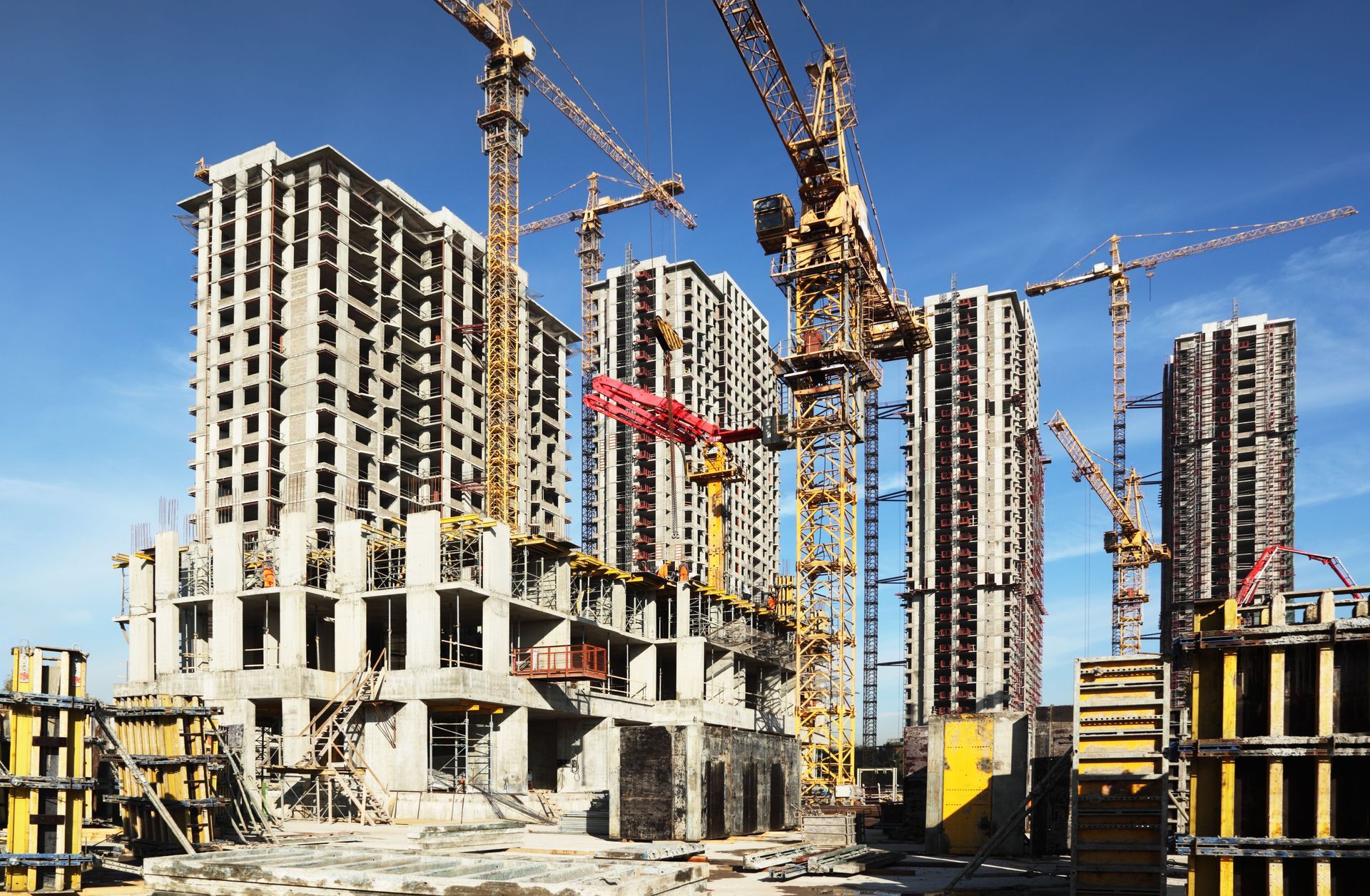
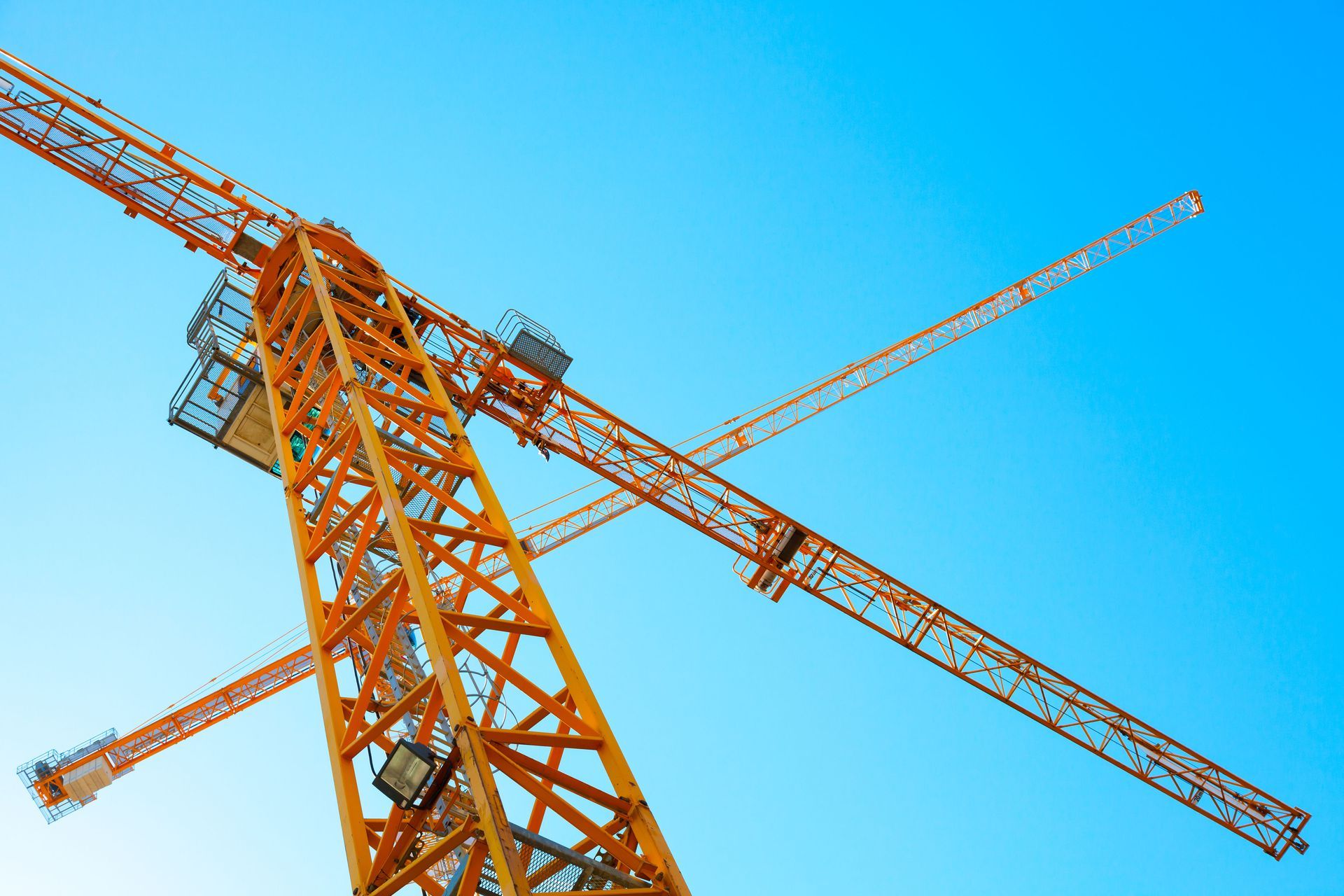
Crawler cranes provide enhanced stability and lifting capacity, making them ideal for large-scale infrastructure projects. Tower cranes, on the other hand, are frequently used in high-rise construction due to their height and long-term stationary positioning capabilities.
Each type of crane serves a distinct purpose, and crane rental providers typically offer a broad inventory to accommodate varying project demands. This flexibility allows project managers to select equipment based on load requirements, site conditions, and operational timelines.
Evaluating Benefits of Crane Rental Solutions
One of the primary advantages of crane rental is cost efficiency. Purchasing heavy lifting equipment requires significant capital investment, along with ongoing maintenance, storage, and insurance costs. Renting eliminates many of these long-term financial commitments, allowing organizations to allocate resources more effectively.
Another benefit is operational flexibility. Project requirements often change, and rental agreements allow businesses to scale equipment usage up or down as needed. This adaptability is especially important in industries with seasonal demand fluctuations or short-term projects.
Access to modern technology is another key advantage. Rental providers frequently update their fleets to include newer, more efficient, and safer equipment. This ensures that users benefit from improved performance without bearing the cost of frequent equipment upgrades.
Additionally, crane rental reduces downtime associated with repairs and maintenance. Service providers are responsible for ensuring that equipment is inspected and maintained according to industry standards, minimizing disruptions during critical project phases.
Overall, these benefits make crane rental an effective solution for organizations seeking efficiency, reliability, and financial control in heavy lifting operations.
Reviewing Safety and Compliance Standards
Safety is a fundamental consideration in any lifting operation. Crane-related projects involve significant risk due to heavy loads, complex machinery, and dynamic job site conditions. As a result, strict safety standards and regulatory compliance measures are essential.
Rental providers typically ensure that equipment meets national and industry safety guidelines before it is deployed. Regular inspections, load testing, and maintenance checks are standard practices designed to reduce operational risks.
In addition to equipment safety, proper planning and site assessment are critical components of compliant crane operations. Factors such as ground stability, weather conditions, load weight, and surrounding infrastructure must all be evaluated before lifting begins.
Training and certification also play an important role in maintaining safe operations. Operators are generally required to meet specific qualification standards to ensure they can handle equipment responsibly and effectively.
By adhering to these safety and compliance measures, crane rental services help reduce the likelihood of accidents and contribute to more controlled and predictable project outcomes.
Considering Industry Applications and Use Cases
Crane rental services are utilized across a wide range of industries, each with unique operational requirements. In construction, cranes are essential for lifting structural materials such as steel beams, concrete panels, and prefabricated components. These capabilities enable the efficient assembly of buildings, bridges, and infrastructure systems.
In the energy sector, cranes support the installation and maintenance of wind turbines, power plant components, and heavy mechanical systems. These projects often require specialized lifting equipment capable of handling extreme weights and heights.
Manufacturing and industrial facilities also rely on cranes for equipment installation, relocation, and maintenance tasks. The ability to safely move large machinery within confined spaces is a key operational advantage.
In logistics and shipping, cranes are used for loading and unloading heavy cargo, ensuring efficient movement of goods across supply chains. Ports and freight terminals, in particular, depend heavily on crane systems for daily operations.
These diverse applications highlight the importance of crane rental services in supporting industries that require precision lifting without the burden of equipment ownership.
Navigating Future Trends in Crane Rental Markets
The crane rental industry continues to evolve in response to technological advancements, environmental considerations, and global infrastructure growth. According to Fact.MR, the global crane rental market is projected to be valued at approximately USD 58.71 billion in 2026 and is expected to grow at a compound annual growth rate (CAGR) of 3.0%, reaching around USD 78.9 billion by 2036. This steady growth reflects increasing demand for flexible lifting solutions across multiple sectors.
One of the most significant trends shaping the industry is the adoption of digital technology. Telematics systems, remote monitoring, and data-driven maintenance tools are improving equipment efficiency and reducing downtime. These innovations allow rental providers and clients to track performance metrics in real time.
Sustainability is another major factor influencing market development. Companies are increasingly seeking energy-efficient and lower-emission equipment to align with environmental regulations and corporate sustainability goals. This shift is encouraging manufacturers and rental providers to invest in greener technologies.
Urbanization and infrastructure expansion are also driving demand. As cities grow and modernization projects increase, the need for reliable lifting solutions continues to rise. This trend is expected to sustain long-term growth in the crane rental sector.
Evolving Role and Future Outlook of Crane Rental Services
Crane rental services have become an essential component of modern industrial operations, offering flexibility, cost efficiency, and access to advanced lifting equipment. By eliminating the challenges of ownership and maintenance, these services allow organizations to focus on project execution while ensuring safety and performance standards are met.
From construction sites to energy projects and logistics hubs, crane rental continues to support critical industries worldwide. Companies such as
A & B Welding & Construction Inc demonstrate how specialized service providers contribute to this ecosystem by helping meet complex lifting demands with reliable solutions.
As the industry evolves, ongoing advances in technology, sustainability initiatives, and infrastructure development will continue to influence the future of crane rental services, strengthening their position as an essential resource for global heavy lifting operations across construction, industrial, and logistics sectors worldwide while supporting efficiency, safety, and long-term project success overall in modern markets globally.