June 22, 2026
The landscape of modern construction and industrial development demands unprecedented adaptability. As architectural designs become more complex and job sites grow increasingly confined, the traditional methods of managing heavy lifting operations must evolve. Project managers face a unique set of challenges that require equipment capable of moving swiftly between tasks without sacrificing power. This shifting paradigm highlights why fleet mobility has transformed from a convenient luxury into an absolute necessity for major operations. When selecting partners for these large-scale endeavors, choosing from the top crane companies becomes a pivotal decision that influences the entire timeline of a build. Highly mobile fleets allow for a fluid transition between various lifting phases, ensuring that scheduling conflicts are minimized. As spatial constraints in metropolitan regions tighten, the ability to maneuver heavy machinery effectively determines the ultimate success of an enterprise.
Adapting to Restricted Urban Job Sites
Modern cityscapes are characterized by dense infrastructure, narrow roadways, and minimal staging areas. Working within these environments presents severe logistical hurdles for heavy lifting operations. Traditional stationary lifting equipment often requires extensive setup space and prolonged periods of assembly, which can paralyze local traffic and disrupt surrounding businesses. Mobile fleets solve this dilemma by arriving on-site ready to position themselves with minimal footprint requirements. The agility inherent in mobile machinery allows operators to navigate tight corners and set up within confined spaces that would completely rule out larger, more rigid structures. This is precisely why forward-thinking crane companies invest heavily in versatile machinery that can transition effortlessly from public roads to tight construction zones. By utilizing highly maneuverable equipment, industrial operations can maintain momentum even when spatial constraints are severe. This level of flexibility ensures that lifting can occur in close proximity to existing buildings without compromising structural integrity or safety protocols. As cities continue to grow denser, the capacity to operate effectively within these tight parameters becomes a defining characteristic of successful engineering projects, proving that mobility is essential for modern urban development.
Minimizing General Project Downtime
In the realm of major industrial lifting, time is a critical resource that must be managed with extreme care. Delays during any phase of a project can create a cascading effect, disrupting subsequent trades and pushing completion dates far into the future. Stationary rigging setups often demand days of preparation, assembly, and testing before a single lift can be executed. Conversely, a mobile fleet offers rapid deployment capabilities that significantly cut down on preparatory intervals. These agile units can drive directly onto a site, configure their systems quickly, complete the required lifts, and vacate the area to make room for other tasks. Top-tier crane companies understand that efficiency is directly tied to how quickly machinery can be repositioned. When a fleet can move dynamically across a job site, it eliminates the dead time associated with waiting for structural adjustments or lengthy teardown processes. This agility allows project managers to maintain a continuous workflow, keeping labor productive and schedules aligned. By prioritizing fleet mobility, operations can adapt to unexpected changes in real-time, ensuring that weather delays or supply chain interruptions do not permanently stall progress.
Navigating Diverse and Challenging Terrains
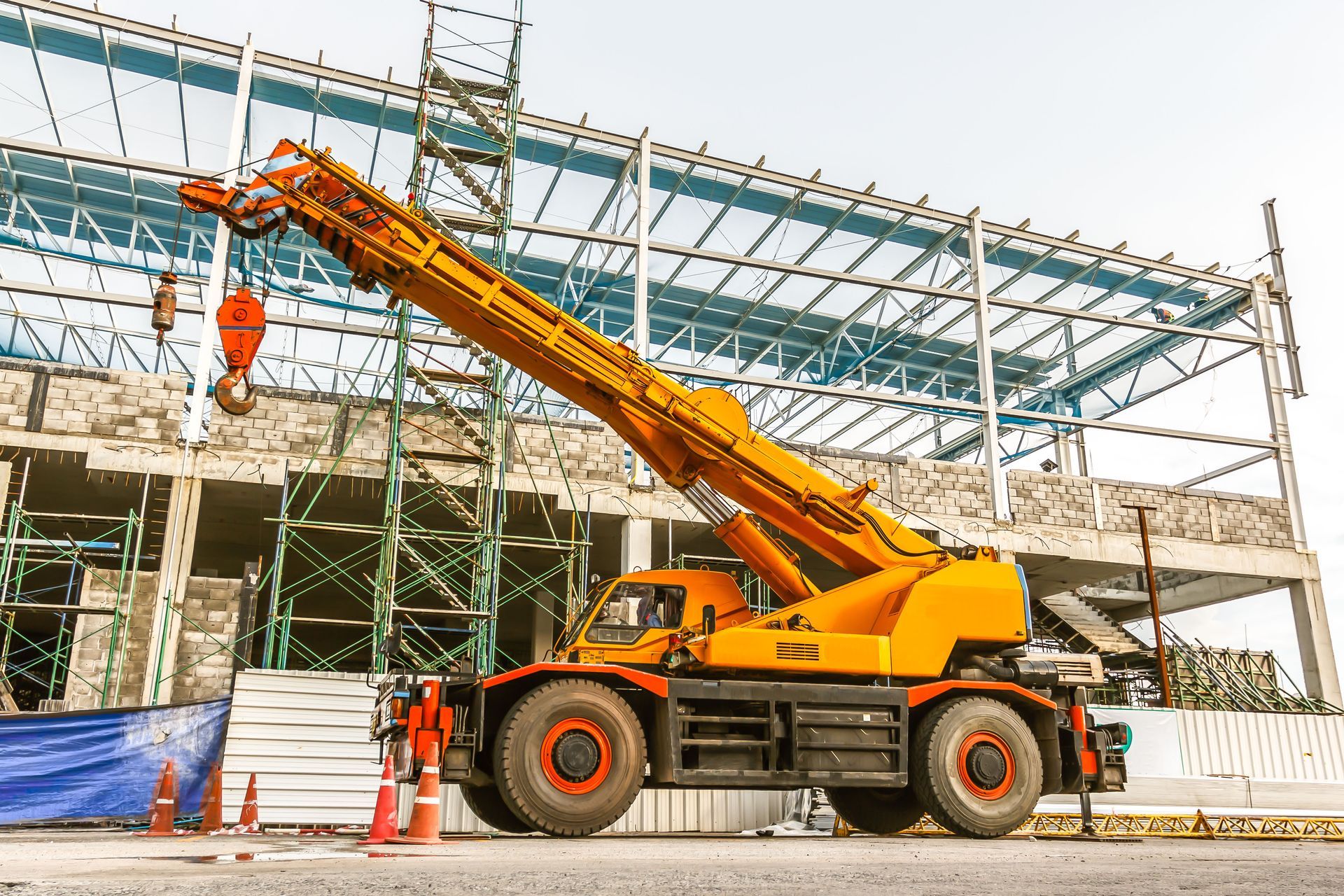
Heavy lifts are rarely confined to perfectly paved, level surfaces. Many of the most demanding projects take place in remote areas, rugged industrial parks, or undeveloped land where the ground conditions are unpredictable and treacherous. Mud, loose gravel, steep inclines, and unpaved access roads can stop standard machinery in its tracks, causing significant operational bottlenecks. Mobile fleets equipped with advanced all-terrain capabilities are specifically engineered to conquer these environmental obstacles. According to Grand View Horizon, the worldwide all-terrain cranes sector brought in a revenue of $15,613.6 million in 2025 and is anticipated to climb to $23,902.9 million by 2033, which reflects the growing global reliance on machinery that combines highway speeds with exceptional off-road maneuverability. Experienced crane companies rely on these versatile systems to bridge the gap between open highways and rugged job sites. When a fleet possesses maximum mobility, it can safely traverse unstable ground conditions to reach the exact point where a lift must occur. This eliminates the need for extensive, time-consuming site preparation, such as building temporary access roads or pouring specialized concrete pads, allowing operations to commence much faster and proceed without environmental interference.
Streamlining Complex Rigging Logistics
Coordinating a major lift involves an intricate web of logistical planning, transport permits, and safety compliance measures. When dealing with stationary or oversized lifting apparatuses, the logistical burden multiplies, requiring multiple support vehicles just to transport the components of the main machinery. This creates an administrative and operational headache, as managers must coordinate the arrival of multiple trucks, manage heavy traffic flow on-site, and oversee complex assembly processes. Mobile fleets drastically simplify this logistical puzzle. Because these units are self-contained and designed for road travel, they can often travel to the site independently, carrying their own counterweights and components. Leading crane companies leverage these streamlined logistics to offer more responsive service to their industrial partners. A mobile fleet reduces the number of moving parts in the logistical chain, which inherently minimizes the risk of communication breakdowns or transport delays. Streamlining the transportation and setup phases means that resources can be focused entirely on the execution of the lift itself, resulting in a cleaner, more organized job site where safety and precision take center stage.
Enhancing On-Site Operational Safety
Safety is the foundational pillar of any heavy lifting operation, as the risks associated with moving massive loads are inherently high. Traditional setups that require manual assembly and disassembly create numerous opportunities for human error and mechanical mishap during those preparatory stages. Furthermore, a stationary lift that cannot adapt its positioning may force operators into making awkward, off-center lifts that strain the equipment. Mobile fleets enhance workplace safety by incorporating advanced, automated stabilization systems and allowing for optimal positioning relative to the load. Responsible crane companies prioritize highly mobile assets because they can be precisely repositioned to ensure a perfectly vertical lift every time. This flexibility minimizes side-loading risks and ensures that the machinery operates within its ideal engineering parameters. Additionally, because mobile units require less on-site assembly, ground crews spend less time performing high-risk setup tasks, which significantly reduces the likelihood of workplace accidents. By ensuring that equipment can be placed in the safest possible configuration for every individual lift, fleet mobility serves as a critical safeguard protecting both personnel and valuable project assets.
Achieving success in modern heavy lifting operations requires a forward-thinking approach that embraces flexibility, speed, and safety. The evolution of industrial demands has made it clear that fixed, rigid systems are no longer sufficient for the rapid pace of contemporary development. Embracing maximum fleet mobility allows projects to overcome spatial limitations, conquer unpredictable terrains, and maintain strict schedules. Collaborating with versatile crane companies ensures that your operations remain dynamic and prepared for any unforeseen challenges that may arise on the job site. The ability to pivot quickly and execute heavy lifts with minimal disruption is what separates industry leaders from the rest. If you are ready for seamless execution and unparalleled reliability in your next heavy lifting project, contact us at A & B Welding & Construction Inc today. We will help you elevate your operational standards and achieve your development goals with absolute precision.