July 17, 2026
We know that managing heavy machinery effectively defines the fine line between meeting a strict deadline and suffering massive financial penalties. In heavy industries across Minnesota and surrounding states, commercial operations run on strict, interdependent schedules where a single delay ripples through every subsequent phase. When specialized machinery is unavailable, entire labor crews sit idle, project budgets inflate, and critical milestones quickly disintegrate. Managing these variables requires a deep, comprehensive understanding of site logistics, fleet readiness, and proactive planning to maintain forward momentum from start to finish. Our dedicated team brings over 30 years of experience to the table, ensuring that industrial operators have constant access to the exact resources they need without logistical friction.
Analyze the Role of Equipment in Diverse Industries
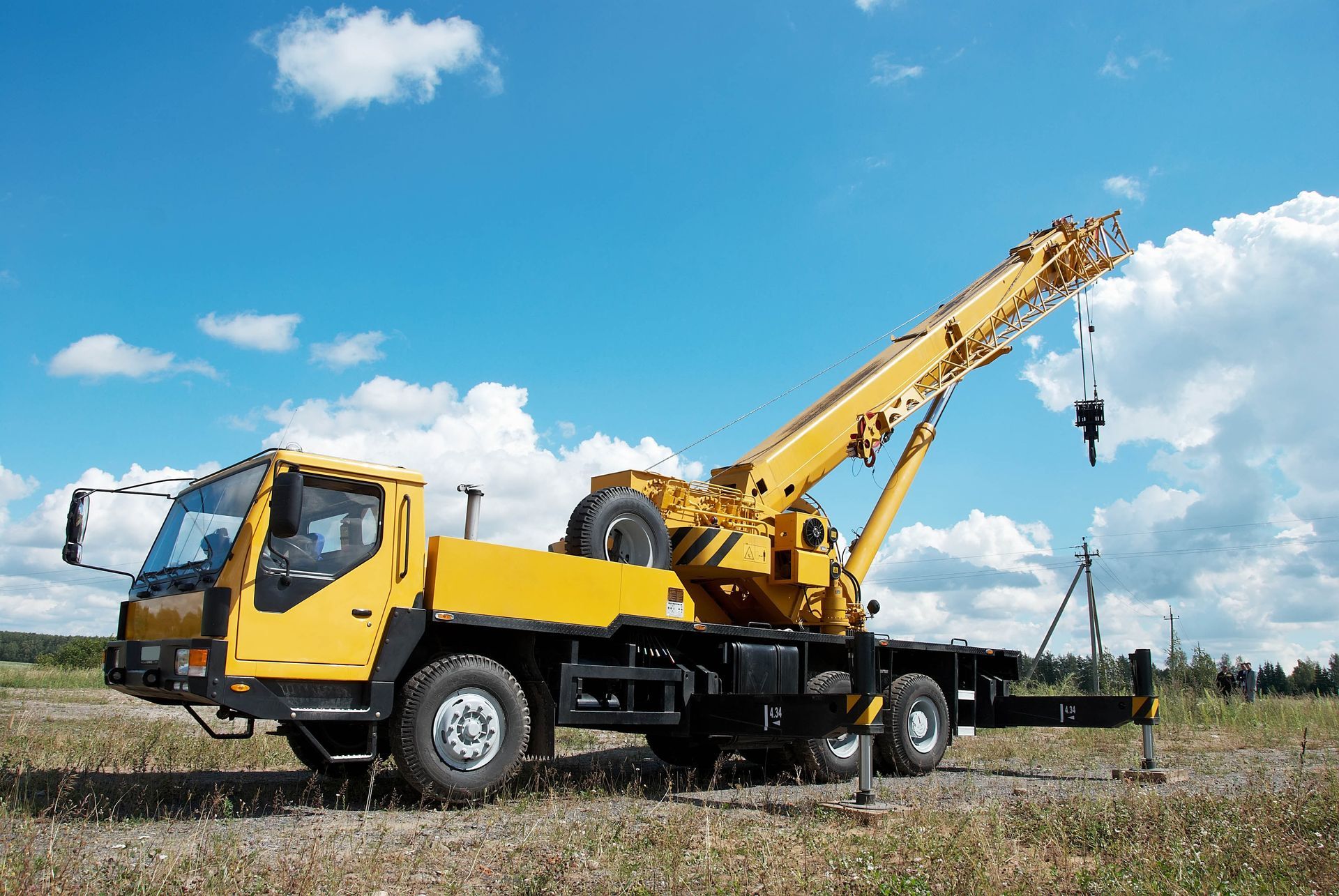
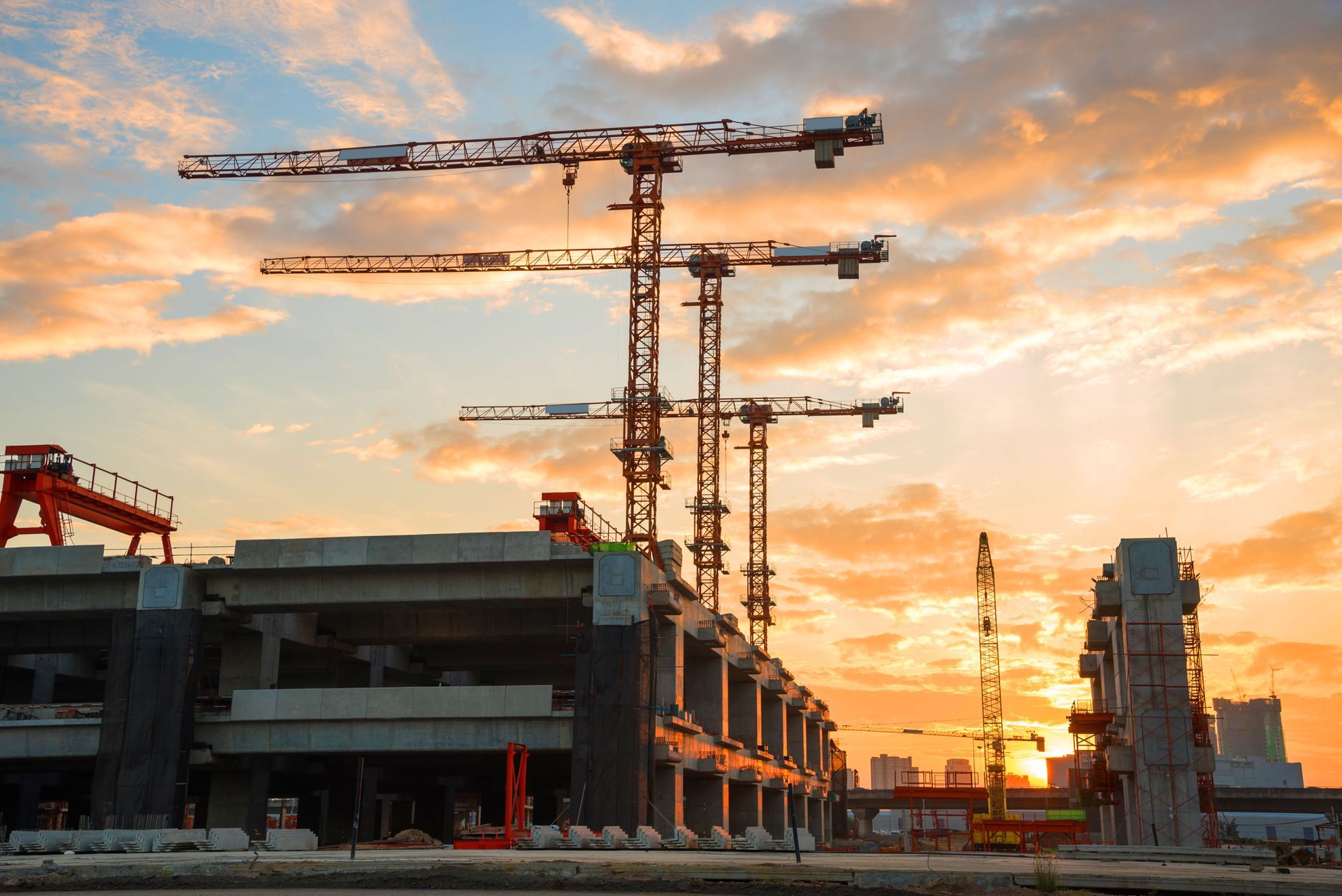
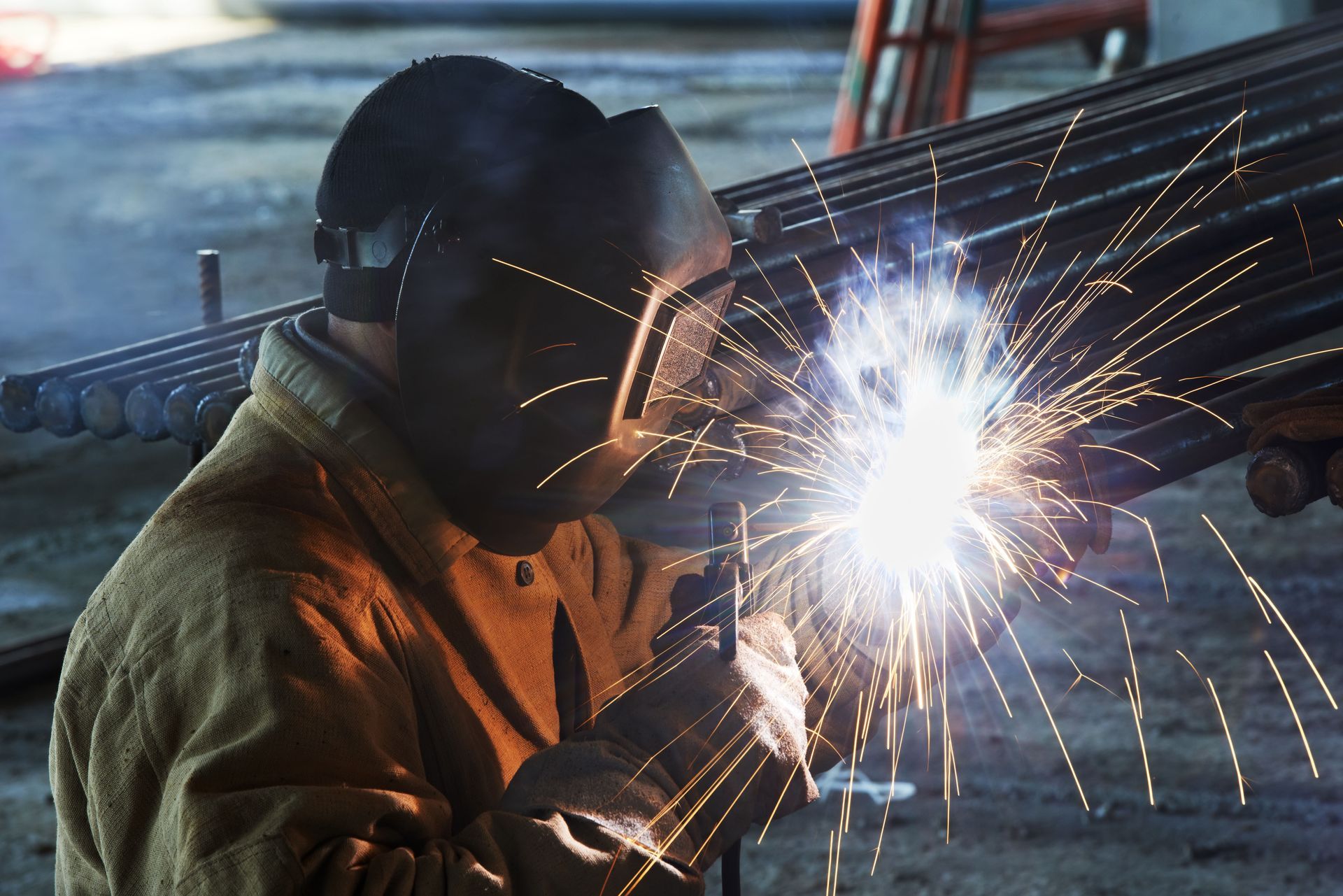
Heavy machinery remains completely indispensable across multiple industrial sectors because it performs monumental tasks that far exceed human strength and standard power tools. According to data published by Worldmetrics, global demand for cranes is driven primarily by the construction sector, which makes up 65% of the total market. This staggering statistic underscores why regional managers often coordinate closely with premier crane companies to secure their fleets months before breaking ground. Facilities frequently require comprehensive boilermaker services and specialized fabrication services to maintain their infrastructure during major facility turnarounds. Moving massive industrial components to these remote sites demands precision oversized hauling that can handle extreme weights and tight spatial constraints. When local teams fail to lock in these assets early, they face severe operational bottlenecks that compromise their contractual timelines. Working alongside established crane companies allows project managers to align their logistical needs with actual machinery availability from day one.
Examine Factors That Influence Machinery Availability
Several critical variables dictate whether heavy assets are ready for immediate deployment, including rigorous preventative maintenance schedules, global supply chain constraints, and unexpected operational downtime. While scheduled mechanical inspections prevent catastrophic failures on the job site, they temporarily remove pieces of machinery from active rotation, requiring managers to build flexible schedules. Global supply chains can also delay the delivery of crucial replacement parts, extending repair times and forcing project coordinators to seek alternative options. Local economic conditions and regional market demands also heavily influence how easily a field crew can source specialized machinery during peak seasons. This competitive environment forces organizations to look for reliable partners that offer comprehensive lift planning services to optimize asset utilization. Partnering with top-tier crane companies ensures that your project gains access to modern, well-maintained machinery that minimizes these unpredictable operational risks.
Review Statistics on Fleet Readiness and Success Rates
Compelling industry statistics consistently reveal a direct link between mechanical availability and overall project completion percentages. Studies indicate that nearly 35% of all documented industrial delays stem directly from the unexpected unavailability of essential heavy machinery. Organizations that manage their fleets with high precision experience far fewer schedule overruns and report significantly better profit margins at the end of the year. Data also demonstrates that organizations utilizing advanced asset tracking software maintain much higher operational continuity than those using manual scheduling systems. Predicting resource needs based on historical data allows project leaders to coordinate complex asset handoffs between multiple active sites seamlessly. When industrial leaders partner with experienced crane companies, they benefit from proven tracking methodologies that keep projects moving forward without costly structural interruptions.
Implement Common Industry Practices for Resource Management
Successful project managers utilize several established industrial practices to maximize asset uptime and prevent costly logistical bottlenecks on site. A primary strategy involves strictly adhering to comprehensive maintenance tracking protocols, catching minor technical flaws before they evolve into major mechanical failures. Diversifying resource networks also prevents an organization from relying too heavily on a single piece of machinery that could easily become a single point of failure. By establishing reliable backup plans, teams can easily pivot when a specific asset requires urgent mechanical attention during a critical phase. This allows managers to schedule heavy overhauls during slower operational windows, preserving maximum fleet capacity for high-demand seasons. Engaging with recognized heavy equipment providers provides projects with the structural flexibility needed to navigate sudden logistical shifts without sacrificing safety or quality.
Maintain Machinery in Optimal Condition for Performance
Keeping heavy hardware in peak operational condition remains essential for sustaining high availability and ensuring total workplace safety. Routine professional inspections allow technicians to discover hidden wear and tear, reducing the double burden of emergency repairs and missed project milestones. Well-maintained machinery operates with far greater fuel efficiency and delivers predictable performance, keeping operational expenditures well within the original budget. Equipment malfunctions stemming from poor oversight represent a leading cause of industrial site accidents, which bring costly legal liabilities and lengthy regulatory shutdowns. Providing field operators with highly reliable machinery fosters an environment of operational clarity where tasks are completed precisely as planned. Utilizing specialized crane companies that prioritize strict safety evaluations guarantees that every lift proceeds smoothly, protecting both human lives and valuable structural components.
Assess the Impact of Equipment Delays on Timelines
When essential machinery arrives late to a job site, the resulting delays quickly trigger a costly cascade of schedule modifications across every department. In highly sequential industries, foundational tasks must finish completely before subsequent teams can begin assembling upper structural tiers. A delay of even a few days forces project managers to reschedule skilled labor, extending overhead costs and risking contractual penalties. The financial consequences of these delays extend far beyond immediate labor adjustments to include material storage fees and mounting operational penalties. To combat these risks, agile project managers implement strategic buffers within their timelines to absorb minor logistical friction without delaying the final delivery date. Working with premier crane companies gives project leaders access to rapid deployment strategies that mitigate the structural risks of sudden field delays.
Quantify the Hidden Time Costs of Unplanned Downtime
Calculating the exact hourly cost of machinery downtime provides stark clarity regarding its true impact on overall project profitability. Every hour a major machine sits idle represents lost production capacity, which directly extends the duration of the entire project lifecycle. These hidden costs escalate rapidly when specialized tasks require interconnected machinery to operate simultaneously, meaning one failure halts multiple crews. Financially, unplanned downtime encompasses wasted labor wages, extended equipment rental fees, and potential late-delivery penalties outlined in strict industrial contracts. Investing in reliability-centered maintenance strategies allows companies to optimize the lifecycles of their most critical operational assets. By consulting with established crane companies, industrial managers can secure reliable machinery backed by rapid field support to eliminate the threat of prolonged downtime.
Adjust Project Plans Based on Fleet Status
Dynamic project management requires the ability to modify operational workflows quickly based on the real-time status of heavy machinery. Unforeseen mechanical issues or sudden logistical shifts demand rapid, informed adjustments to prevent total project stagnation. Developing thorough contingency plans during the initial design phase ensures that field supervisors can redirect labor effectively when an asset becomes temporarily unavailable. Maintaining high operational flexibility allows project leaders to optimize their remaining resources without sacrificing overall project quality or safety standards. Utilizing the extensive fleet networks managed by premier providers allows for rapid equipment substitutions that keep complex industrial operations moving forward seamlessly.
Maintaining absolute control over heavy equipment availability remains the single most critical factor in keeping industrial timelines on a predictable path to success. From detailed lift planning services to robust oversized hauling, boilermaker services, and fabrication services, having the right machinery ready for action prevents costly operational bottlenecks. We bring over 30 years of experience, free estimates, and 24-hour emergency services available to every partner across Minnesota and surrounding states, ensuring your project never grinds to a halt. When your next major project demands absolute operational reliability, contact A & B Welding & Construction Inc to secure industry-leading solutions from one of the most reliable crane companies in the region.