July 15, 2026
The skyline of any modern metropolis serves as a testament to human ingenuity and the power of industrial machinery. Among the various instruments that make these architectural feats possible, heavy lifting machinery stands out as the most vital component of development. These massive structures allow builders to move substantial payloads across vast distances and heights, transforming blueprints into physical reality. Without these mechanical marvels, the scale of contemporary infrastructure would be severely limited, confining projects to modest heights and simple layouts. Understanding the specific roles of various lifting models helps appreciate how complex projects achieve completion. Across the globe, diverse industries rely on distinct configurations of cranes to overcome geographic and structural challenges, ensuring that commerce and innovation continue to progress without interruption. As urban centers expand and industrial requirements become more sophisticated, the engineering behind these machines adapts to meet increasingly rigorous demands, making them indispensable components of the modern industrial landscape. This evolutionary process ensures that the building sector remains capable of conquering ever-greater heights and more complex architectural designs.
Elevating Skylines With Tower Equipment
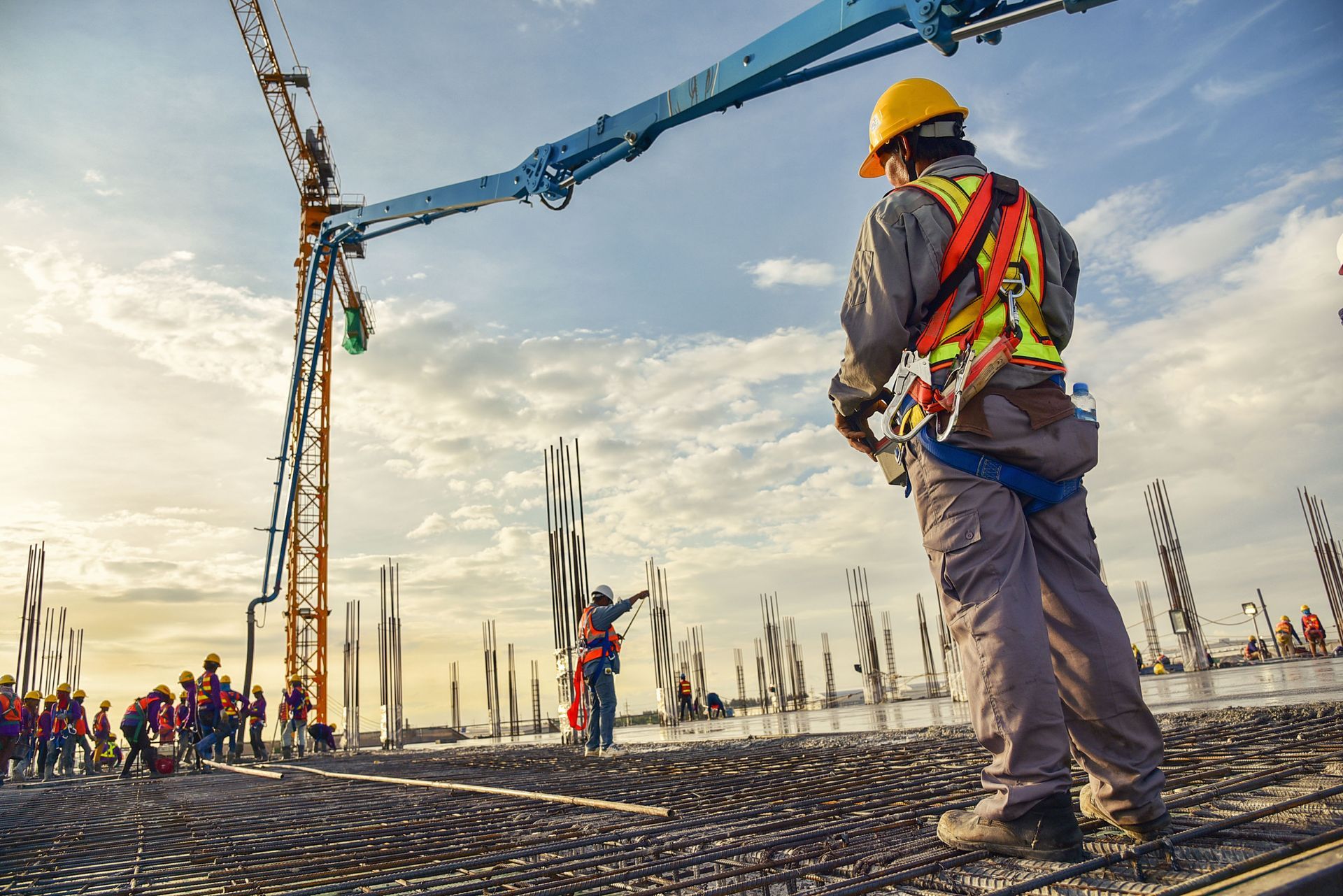
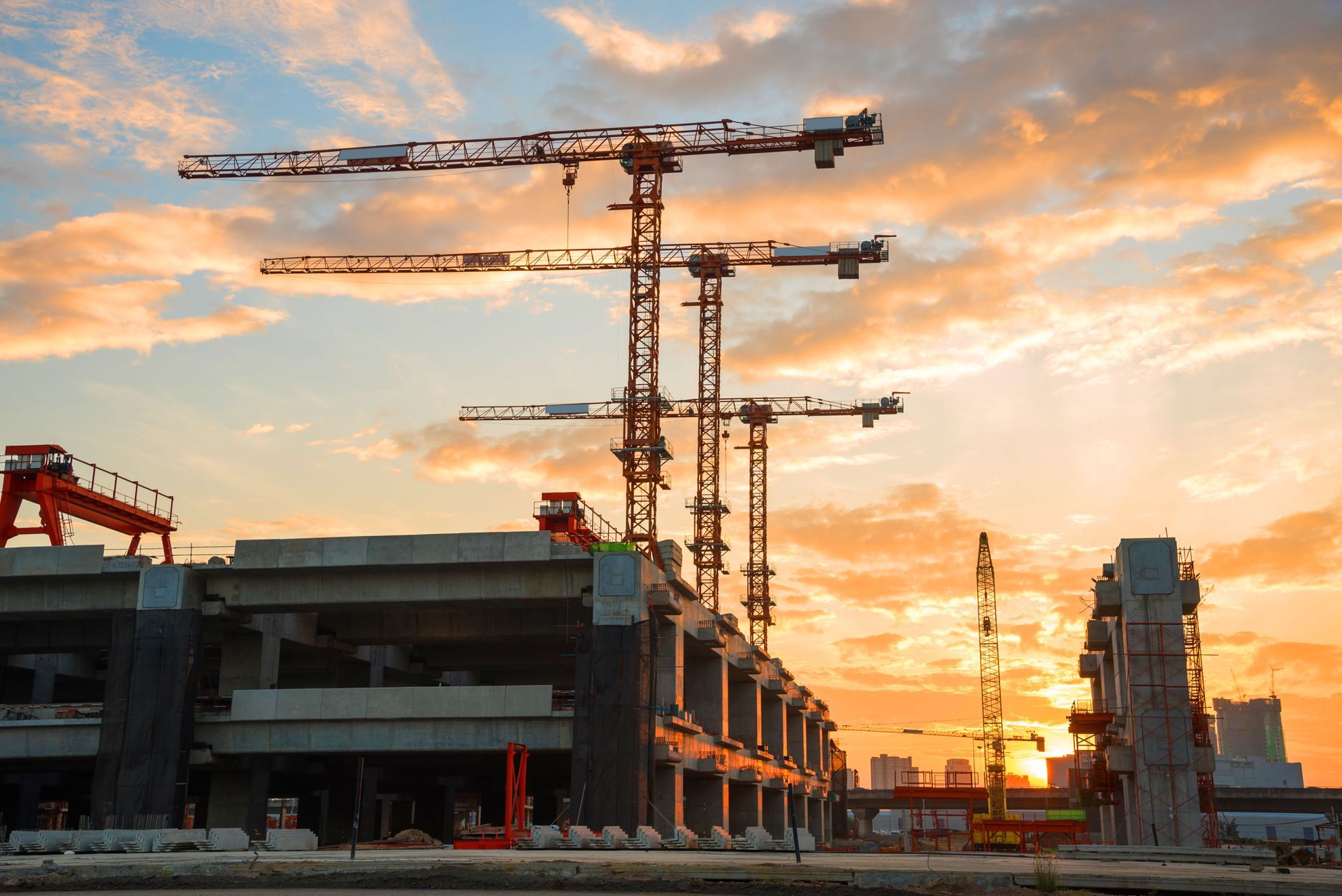
When observing vertical expansion in major cities, the prominent silhouettes stretching toward the clouds are impossible to miss. These vertical lifting structures are fixed to the earth on a concrete pad or secured to the sides of growing structures, offering an optimal combination of height and lifting capacity. They are indispensable for the creation of commercial skyscrapers, residential towers, and major civic facilities. Their design includes a vertical mast and a horizontal jib that rotates across a full circle, allowing materials to be placed precisely where needed. According to ANSI, At the peak of urban construction booms, there have been around 100,000 active tower cranes operating globally. This staggering presence highlights their critical role in shaping modern urban environments, where space is limited and vertical growth is the only viable path forward. Engineers rely on these massive machines to lift steel beams, concrete panels, and heavy generators to levels that would otherwise be inaccessible. As urban centers become more crowded, the reliance on these specialized lifting units will steadily increase to meet growing residential demands, pushing the boundaries of what architecture can achieve in confined metropolitan locations.
Navigating Sites With Mobile Machinery
While fixed structures dominate vertical builds, many projects require agility and rapid deployment across varied locations. This is where truck-mounted machinery becomes essential, providing the ability to travel on public roads without the need for special transportation equipment. These units feature a telescopic or lattice boom that extends to reach significant heights while remaining packable and drivable when the task is finished. Project managers choose these versatile options for tasks ranging from setting up utility poles to assisting in short-term maintenance shutdowns at industrial plants. Their rapid setup time ensures that projects stay on schedule, reducing downtime and maximizing efficiency on site. Because they can navigate standard roadways, these mobile cranes offer an unparalleled level of flexibility for suburban developments, road repairs, and unexpected emergency lifting operations. The ease with which they transition from transit mode to lifting mode makes them a preferred choice for fast-paced construction environments where conditions shift rapidly and deadlines remain exceptionally tight.
Supporting Foundations With Crawler Rigs
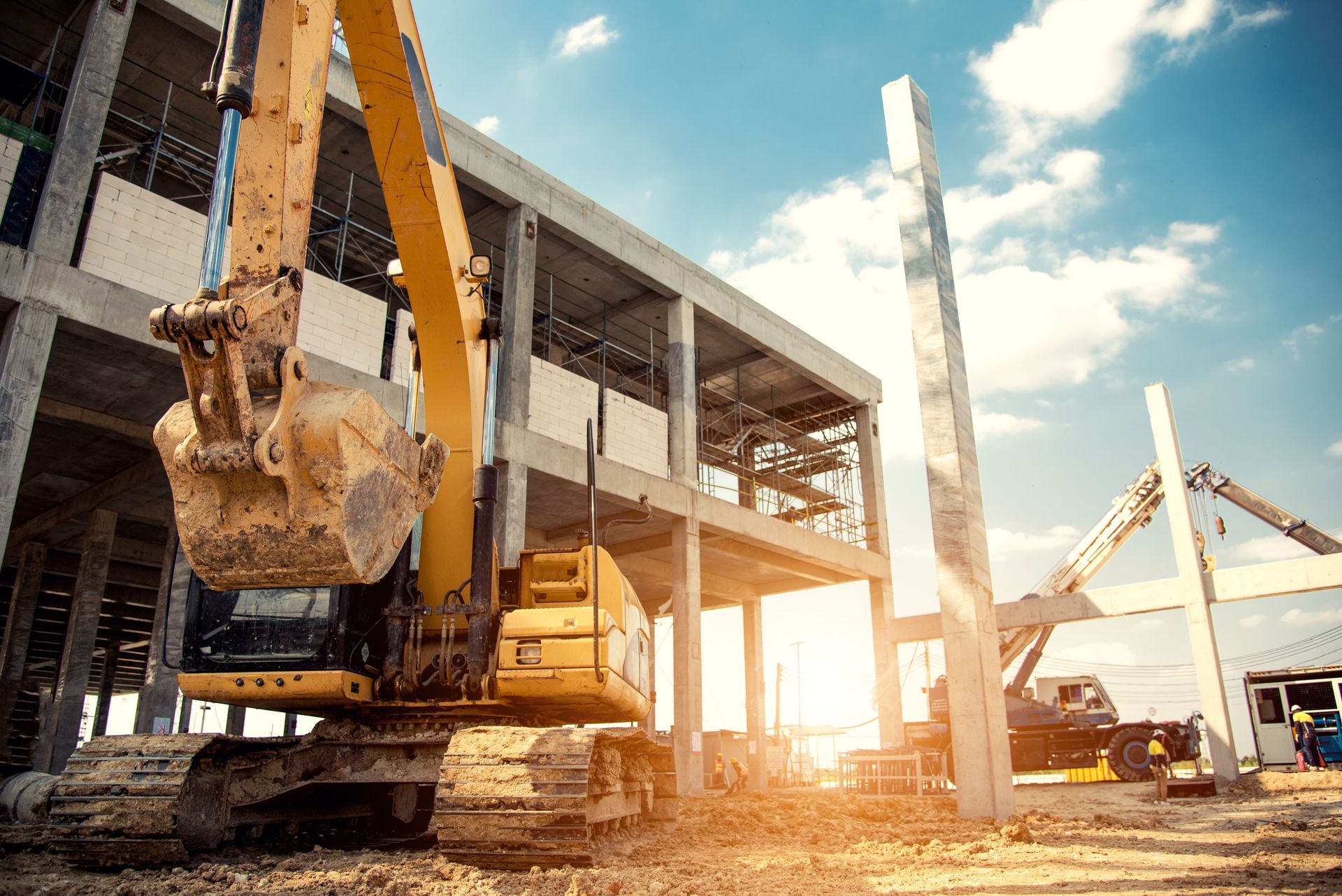
For projects that demand exceptional lifting capacity combined with the ability to move across unstable or soft ground, heavy tracked machinery provides the ideal answer. Instead of rubber tires, these massive units utilize a system of wide tracks, similar to those found on bulldozers, which distributes the immense weight over a larger surface area. This design prevents the machinery from sinking into mud or soft soil, making them perfect for the early stages of major civil engineering projects. They are frequently deployed in the construction of massive sports stadiums, large industrial complexes, and major bridge foundations. The stability offered by the tracked base allows these units to travel with a load suspended, a capability that standard wheeled alternatives cannot safely match. Their immense lattice booms can reach incredible distances, making them a cornerstone of heavy industrial development. Utilizing these robust cranes allows contractors to execute heavy lifts in challenging environments where lesser equipment would fail, ensuring project continuity despite inclement weather or poor ground conditions.
Streamlining Factories With Overhead Systems
Lifting challenges are not confined to outdoor environments; indoor manufacturing and industrial operations require specialized material handling solutions as well. Suspended track systems, often built directly into the structural framework of a factory or warehouse, facilitate the movement of heavy components along parallel runways. A traveling bridge spans the gap, carrying a hoist that moves across the interior space to cover a rectangular area. This arrangement optimizes floor space, as the entire lifting mechanism operates above the work area, leaving the ground clear for machinery, inventory, and personnel. Facilities utilize these configurations for assembling heavy machinery, moving shipping containers, and handling raw materials like steel coils or automotive parts. By integrating specialized overhead cranes directly into the building structure, operations achieve a seamless flow of materials through the production process, reducing the risk of workplace injuries and increasing throughput, which ultimately enhances overall factory productivity. These indoor lifting solutions eliminate the need for floor-based transport vehicles, allowing production lines to operate with greater efficiency and fewer spatial constraints. Plant managers favor these systems because they can be customized with various hooks, magnets, and specialized grabs to accommodate a wide variety of industrial goods, ensuring that internal logistics keep pace with demanding manufacturing schedules.
Managing Ports With Floating Vessels
Marine projects present unique logistical difficulties that conventional land-based machinery cannot address. Specialized vessels equipped with heavy lifting apparatus handle operations on waterways, lakes, and open oceans. These aquatic units are essential for tasks such as building offshore wind farms, deepening harbors, salvaging sunken vessels, and unloading cargo from massive container ships. Some of these vessels are capable of handling loads that surpass the capacity of the largest land machinery, making them crucial for international trade and coastal infrastructure development.
Conquering Wilderness With Rough-Terrain Units
When a project location lacks developed infrastructure, paved roads, or stable soil, specialized off-road machinery becomes necessary. Equipped with oversized tires, robust all-wheel-drive systems, and high ground clearance, these units are engineered to navigate deep mud, rocky slopes, and uneven fields. They are frequently utilized in the initial phases of pipeline installations, electrical grid expansions, and remote bridge building projects where access is severely compromised. Unlike truck-mounted options, these machines are typically towed to the site entrance and then drive themselves through the rugged landscape to the exact work location. Their compact frames and exceptional maneuverability allow them to position themselves in tight spaces where larger equipment cannot operate effectively.
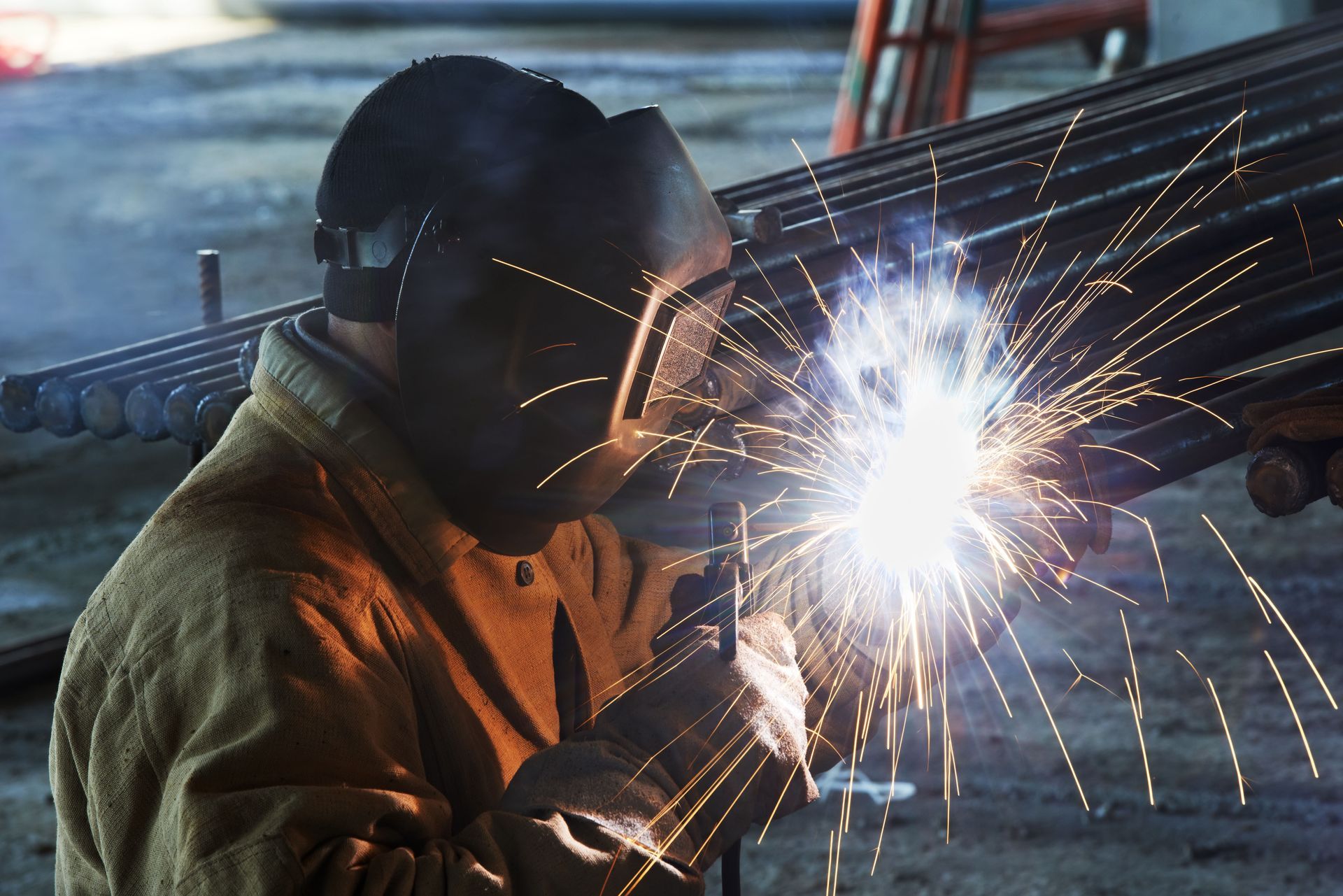
The selection of appropriate machinery shapes the safety, efficiency, and ultimate success of any undertaking. From the towering structures that define urban skylines to the rugged machines navigating remote wilderness, each variant fulfills a distinct niche in the broader industrial landscape. As modern engineering continues to push boundaries, the reliance on specialized lifting technology will only intensify, demanding greater precision and expertise from those who operate and manage these vital assets. Choosing the incorrect model can lead to project delays, increased expenditures, and significant safety hazards, highlighting the necessity of professional consultation during the planning phases. At A & B Welding & Construction Inc, we understand the intricate demands of complex industrial projects and provide the comprehensive expertise required to execute heavy lifting and structural tasks safely. Contact us today to learn more.