September 22, 2026
The construction industry is constantly evolving, and among the pivotal factors fueling its progress are quality fabrication services. These services significantly accelerate the construction process, especially for large-scale projects. This article aims to explore how quality fabrication services streamline workflows, reduce project times, and enhance overall construction success. By examining various aspects such as materials, technologies, and industry standards, the article asserts the importance of high-quality fabrication in modern construction. Ultimately, understanding these services' impact provides valuable insights into achieving efficiency and excellence in substantial building endeavors.
Understanding Fabrication Scope and Evolution
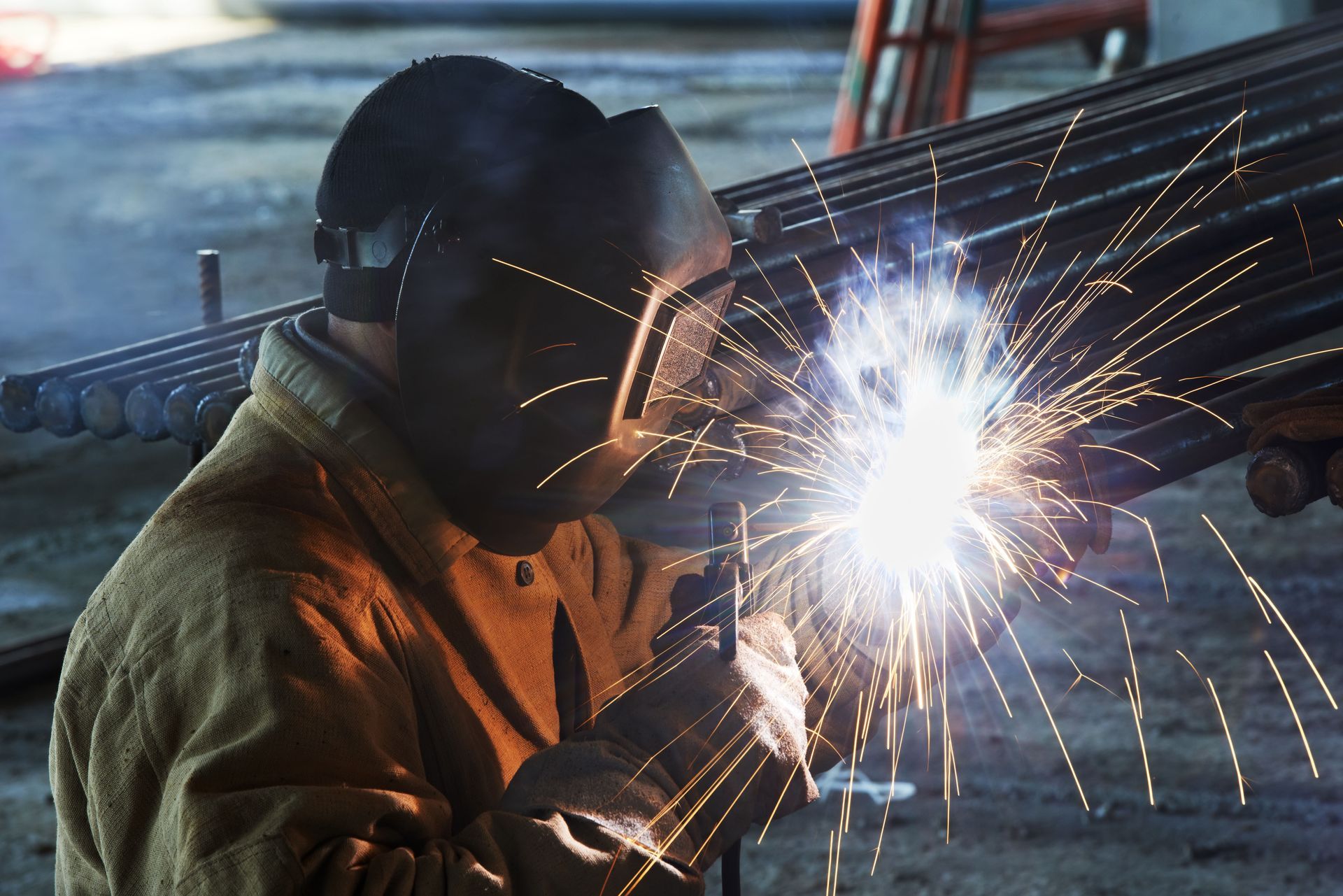
Quality fabrication services refer to the process of shaping and assembling raw materials into finished goods used in construction. These services cover a broad scope that includes cutting, bending, welding, machining, and assembling, among other tasks. The focus remains on precision and adherence to design specifications to ensure the durability and resilience of architectural structures. In large builds, this scope expands to include materials like steel, aluminum, concrete modules, and prefabricated parts. Furthermore, using reliable service providers offers cost-effective solutions by leveraging economies of scale and technological efficiencies to reduce material waste and labor costs while maintaining tight production timelines across complex site schedules.
Over the years, fabrication services have undergone substantial evolution, drastically affecting the construction landscape.
Historically, fabrication was a manual process reliant on skill and craftsmanship, which often limited the size and complexity of projects. The introduction of machinery during the Industrial Revolution marked the beginning of modern fabrication processes, laying the foundation for skyscrapers and major infrastructure. Later, Computer-Aided Design (CAD) and Computer-Aided Manufacturing (CAM) technologies transformed traditional methods into highly automated, efficient systems capable of handling massive project demands with minimal margin for error.
Today, these services continue to evolve through digital technologies like artificial intelligence, robotics, and the Internet of Things (IoT). Integrating advanced machinery allows service providers to maintain competitiveness, improve real-time tracking, optimize inventory, and fulfill ambitious architectural designs. Future innovations focus heavily on sustainable practices and eco-friendly materials, ensuring modern construction challenges are met effectively and innovatively while maintaining rigorous production output standards and meeting tight deadlines across all trades.
Selecting Materials and Innovative Technologies
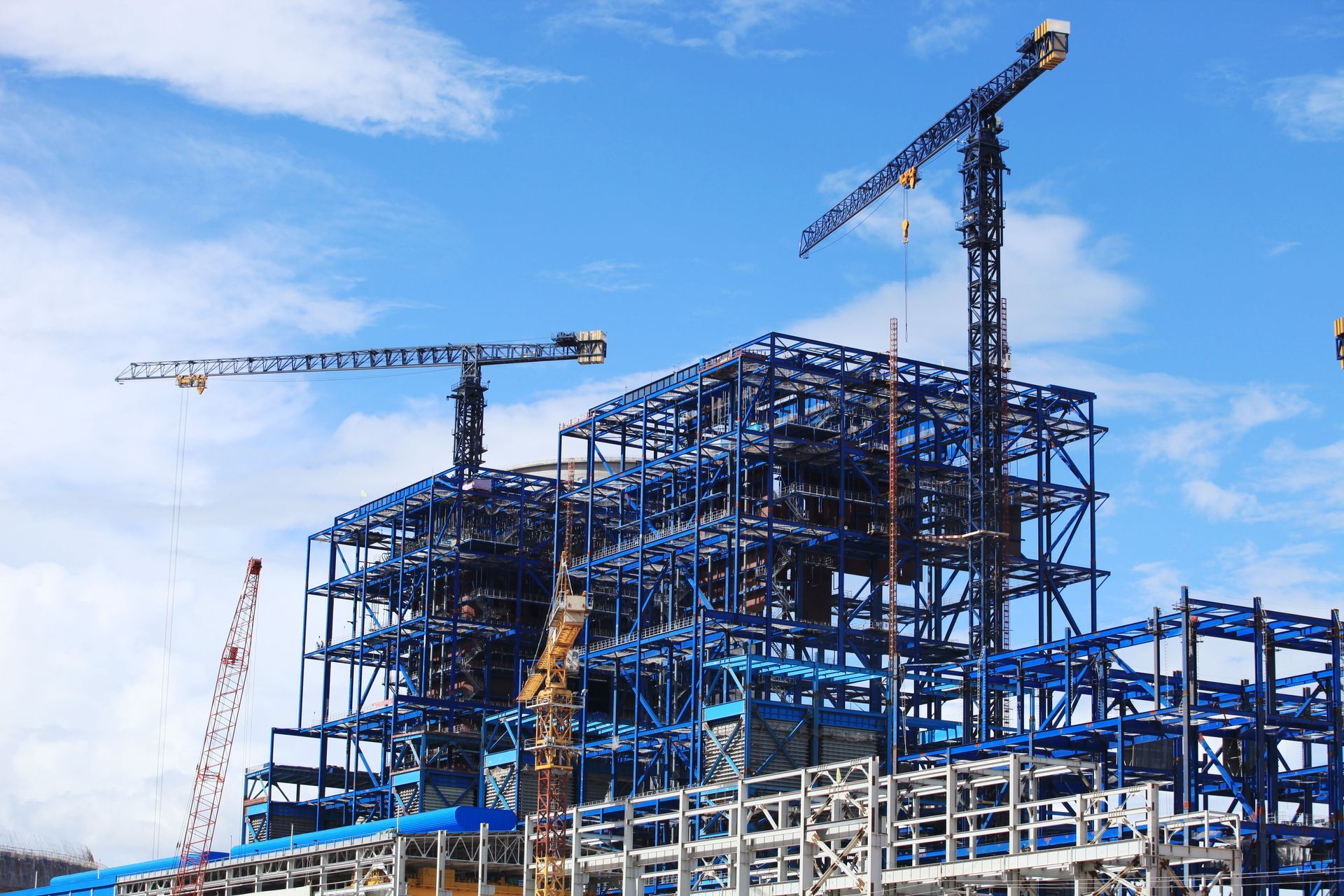
The materials used in fabrication services are critical to the success and durability of large-scale construction projects. Steel remains a prominent choice because of its strength, flexibility, and sustainability. According to Gitnux, global steel fabrication output reached 1.85 billion tons in 2025, underscoring the material's widespread applicability and significance in modern construction. Alongside steel, other materials such as aluminum, concrete composites, and high-performance polymers play crucial roles, offering unique attributes ideal for specific building applications, structural reinforcements, and long-term weather resistance.
The technologies employed in fabrication services complement these diverse materials, ensuring precise and efficient operations. Automation technologies, including CNC machines and robotic welders, have revolutionized manufacturing environments by enhancing precision and reducing human error. These tools allow for high-volume production that meets the demand for quicker build times. Additionally, advancements in 3D printing enable the fabrication of complex components with intricate details, broadening design possibilities while significantly reducing lead times, physical prototype testing, and material overhead.
Software advancements also impact the strategic planning and execution of large-scale builds. Tools like Building Information Modeling (BIM) facilitate thorough project visualization, enabling comprehensive simulations, structural stress testing, and streamlining design alterations before shop drawings hit the factory floor. This deep integration of digital technology and physical manufacturing leads to smarter, more connected fabrication environments that deliver improved outcomes for major projects across diverse geographic regions and challenging build environments.
Adhering to Regulations and Modern Functions
Industry standards and regulations are fundamental components of quality fabrication services, ensuring safety, reliability, and sustainability. Organizations like the American Welding Society (AWS) and the International Organization for Standardization (ISO) provide comprehensive codes relevant to fabrication processes. Companies offering these solutions must align with strict directives through certification processes, non-destructive testing routines, and periodic audits, assuring stakeholders of structural longevity, material integrity, and operational safety on active sites.
In contemporary projects, quality fabrication services occupy an indispensable role by fostering streamlined workflows and optimizing project timelines. Early involvement of service providers allows for a proactive approach to potential engineering challenges, fostering collaborations that result in innovative, tailored solutions. Furthermore, these services often form part of interdisciplinary teams tasked with addressing various structural aspects, enhancing communication, consistency, and alignment across all general contractors, subcontractors, and site managers.
The continued evolution of fabrication services also reflects a commitment to sustainability and resource management. By using pre-fabricated components, builders support rapid on-site assembly while reducing overall construction waste, site disturbance, and carbon footprints. As environmental concerns take center stage, these efficient, standardized practices embody the progressive values driving modern construction toward greener operational models and leaner jobsite management practices.
Maximizing Time and Cost Efficiency
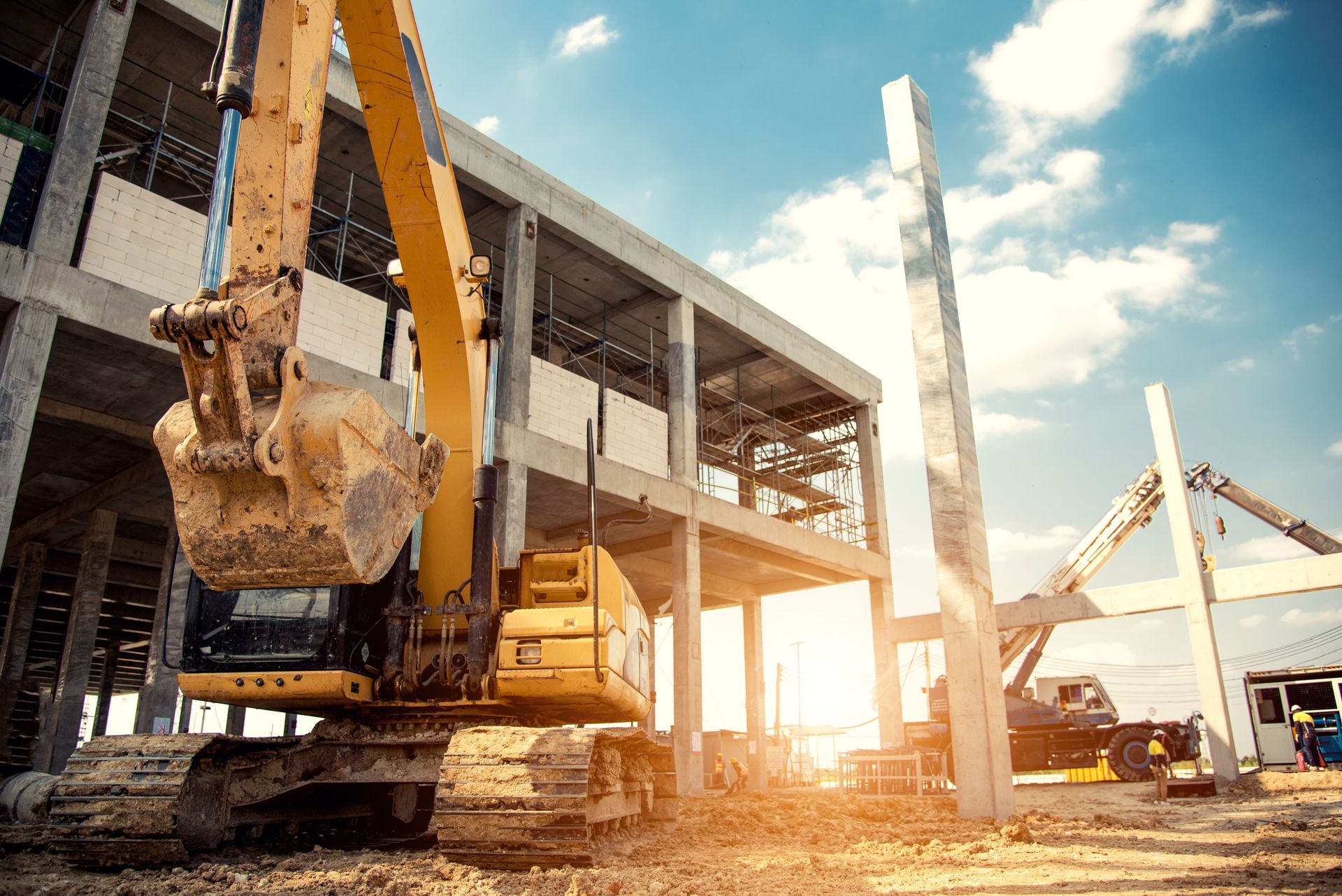
One of the primary benefits of quality fabrication services in large-scale projects is their contribution to time efficiency and project speed. By prefabricating components in controlled environments, off-site fabrication allows for simultaneous on-site and off-site activities, drastically reducing total construction timelines. This parallel processing approach mitigates potential delays caused by weather conditions, supply disruptions, or local labor shortages, resulting in quicker project turnovers and improved return on investment for commercial developers.
Quality fabrication services also introduce cost-saving strategies essential for managing large construction budgets. By optimizing material usage and minimizing waste, these services contribute to significant cost reductions throughout the project lifecycle. Prefabricated components are produced with tailored precision, reducing excess material costs and lowering disposal expenses. Standardized production methodologies allow for tighter cost control, reduced onsite labor requirements, predictable material sourcing, and improved risk management across every phase of development.
Furthermore, the high degree of predictability inherent in these services improves long-term budget management and capital deployment. Defined production frameworks enable stakeholders to make precise cost estimations and allocate resources effectively before breaking ground. Combining scalable design practices with efficient material handling ensures accurate budgeting, reduced financial risk, and cost-effective execution for large builds from start to finish.
Improving Safety Standards and Structural Customization
Quality fabrication services are instrumental in enhancing safety standards across large construction projects. By transitioning complex tasks to controlled factory environments, these services reduce accident risks associated with working at extreme heights, in cramped quarters, or handling heavy machinery on-site. Standardized production processes ensure consistent weld quality and structural assembly, minimizing defects that could compromise safety over time and providing safer conditions for field technicians during final installation.
Exceptional structural integrity and design flexibility are additional hallmarks of quality fabrication services. Advanced cutting, welding, and assembling techniques guarantee that components align perfectly with design specifications, delivering robust structures capable of enduring heavy operational loads, seismic events, and harsh environmental conditions. Furthermore, digital tools like 3D modeling give architects the flexibility needed to realize complex geometries and bespoke detailing without sacrificing structural strength or load distribution capacity.
Utilizing prefabricated and modular components offers pragmatic solutions for site adaptability and structural agility. Frameworks can be customized to accommodate unique site conditions, climate demands, soil conditions, urban density constraints, or future expansions. Through collaborative partnerships between architects, builders, structural engineers, and fabricators, custom elements integrate seamlessly into existing structures. For more information about the services that we offer, reach out to our incredible team at A & B Welding & Construction Inc today!