October 7, 2026
Understanding Crane Selection for Construction Projects
In the realm of construction projects, selecting the appropriate type of equipment is a crucial consideration that can significantly influence operational efficiency, site safety, and overall project schedules. A primary choice often lies between tower cranes and mobile cranes, each offering unique structural advantages, weight capabilities, and operational challenges. Understanding the fundamental differences between these two options is essential for making an informed decision, especially given the varying project demands and site constraints that dictate equipment feasibility. Strategic crane rental planning ensures that your job site stays on schedule, minimizes downtime, and remains strictly within budget throughout every build phase.
The decision between tower and mobile units typically depends on several interconnected factors, including project scope, site accessibility, ground conditions, and lifting logistics. While tower cranes are renowned for their ability to handle tall structures with high stability and immense lifting capacities, mobile cranes provide versatility and quick setup times, making them ideal for multi-location jobs, short-term utility installations, or tight project timelines. Aligning your crane rental strategy with these key attributes allows project managers to streamline operations, reduce overall overhead, and avoid costly equipment redundancies on active job sites.
As construction technologies evolve, so do the capabilities of modern lifting machinery, from advanced load-moment indicators to remote telemetry. Familiarizing yourself with these developments will enhance operational planning and optimize decision-making processes across cost, safety, and efficiency metrics. This comprehensive guide compares tower and mobile cranes to help contractors and project stakeholders select the ideal crane rental package for their upcoming commercial, industrial, or residential build.
Exploring Tower Crane Fundamentals
Analyzing Tower Crane Structural Components
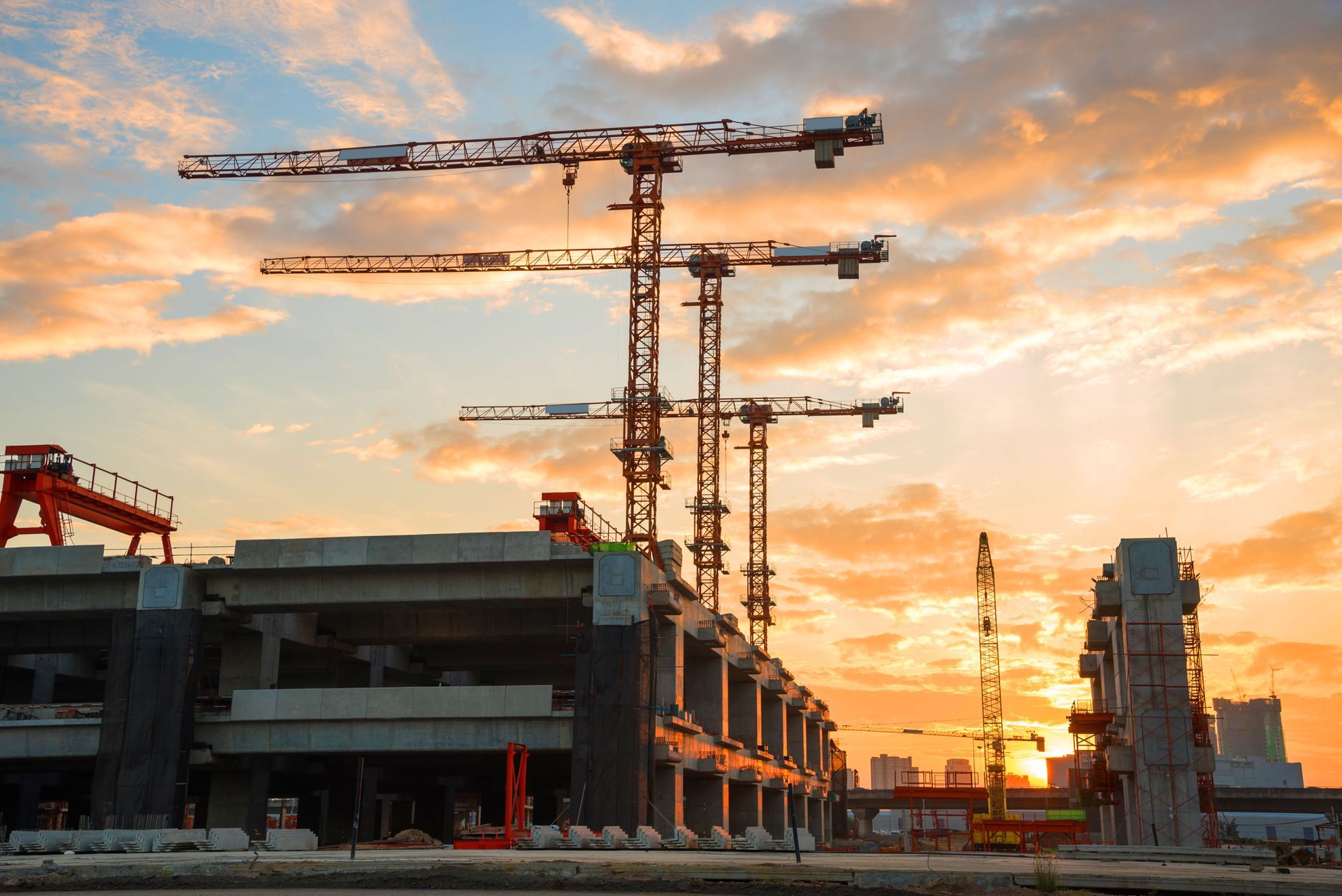
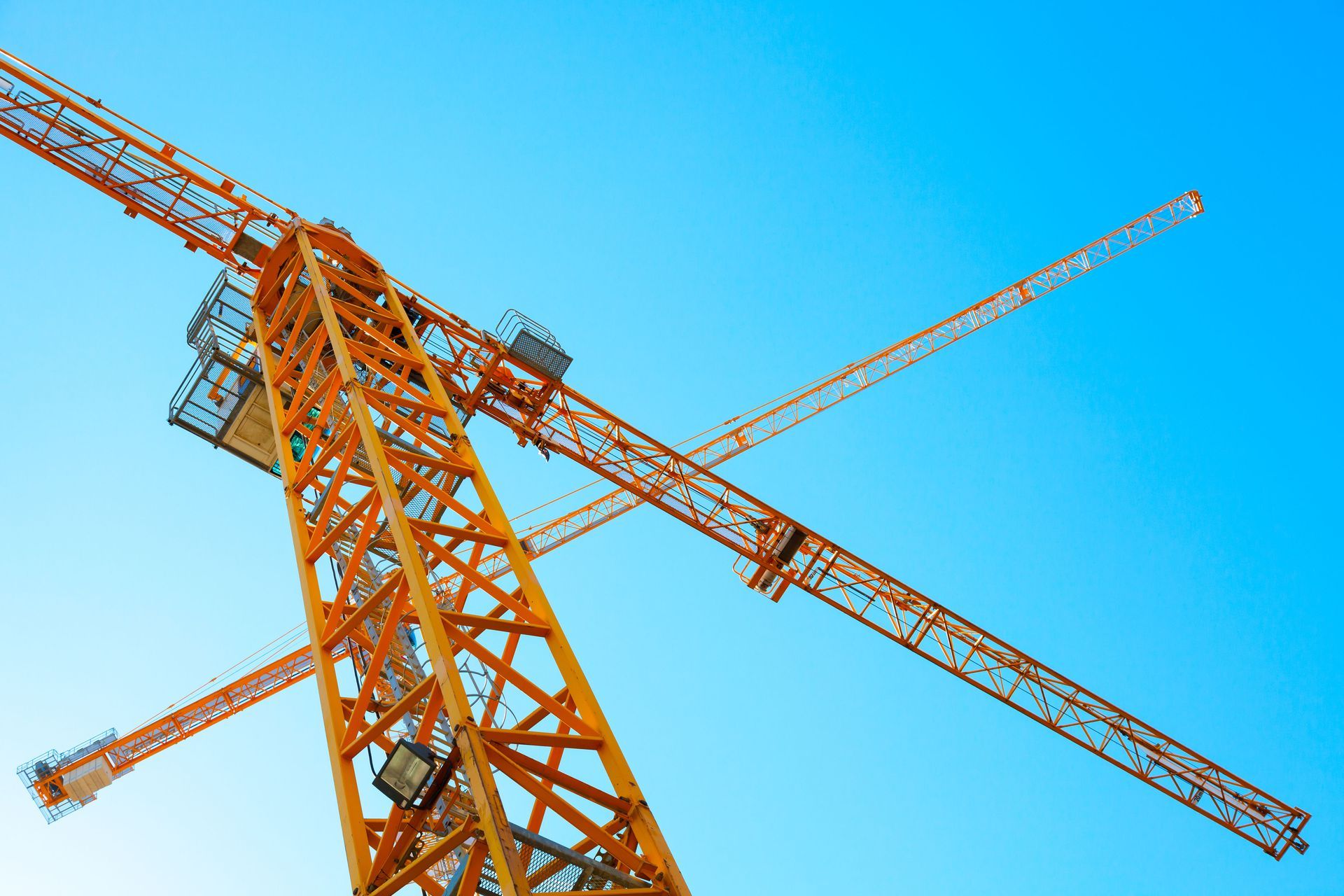
Tower cranes are sophisticated mechanical structures defined by several key components working in unison. The mast serves as the main vertical column, providing structural stability and towering height. The horizontal jib extends outward to reach across the entire site perimeter, while counter-jib systems support heavy counterweights to balance dynamic loads. Positioned near the top slewing unit, the cab houses the operator who manages movements, line speeds, and precision positioning during heavy structural lifts.
According to Civil Engineering, tower cranes are the most widely used crane type in the world. Their integrated components work in tandem to deliver massive load-handling capacity at extreme heights, making them indispensable for dense urban environments where vertical lifting is paramount. These static machines play a vital role in constructing skyscrapers, bridges, power plants, and major municipal infrastructure projects worldwide.
Evaluating Tower Crane Advantages
Tower cranes excel in maximum vertical reach, continuous duty cycles, and exceptional lifting stability. Their towering presence and small ground footprint make them ideal for dense urban environments where horizontal space is heavily constrained. Additionally, their stationary design provides a consistent, sturdy lifting point that remains unaffected by ground-level site traffic, changing soil conditions, or localized surface disruptions during long-term builds.
Identifying Tower Crane Limitations
Despite their superior reach and lifting capacity, tower cranes require significant time and financial investment to assemble, erect, and dismantle. Once installed on a heavy concrete foundation, their fixed placement cannot be easily altered, requiring thorough upfront logistical planning. Furthermore, overall expenses in tower crane rental, including delivery, specialized erection crews, regulatory permits, and teardown, can present budget challenges for shorter projects.
Determining Ideal Tower Crane Applications
Tower cranes are best suited for high-rise commercial structures, major urban infill projects, deep foundation excavations, and long-duration construction sites. Their continuous availability and high line speeds minimize operational downtime over extended timelines, providing dependable heavy-lifting performance across complex, multi-year build schedules.
Prioritizing Tower Crane Safety Protocols
Operating at extreme heights demands rigorous safety protocols and strict adherence to industry regulations. Comprehensive operator certification, daily pre-shift inspections, precise load weight monitoring, and clear signal communication are mandatory. Additionally, site managers must continuously track regional weather conditions, particularly high wind speeds, to temporarily halt operations and weather-vane the jib when environmental risks exceed safe operating limits.
Exploring Mobile Crane Fundamentals
Categorizing Mobile Crane Equipment Types
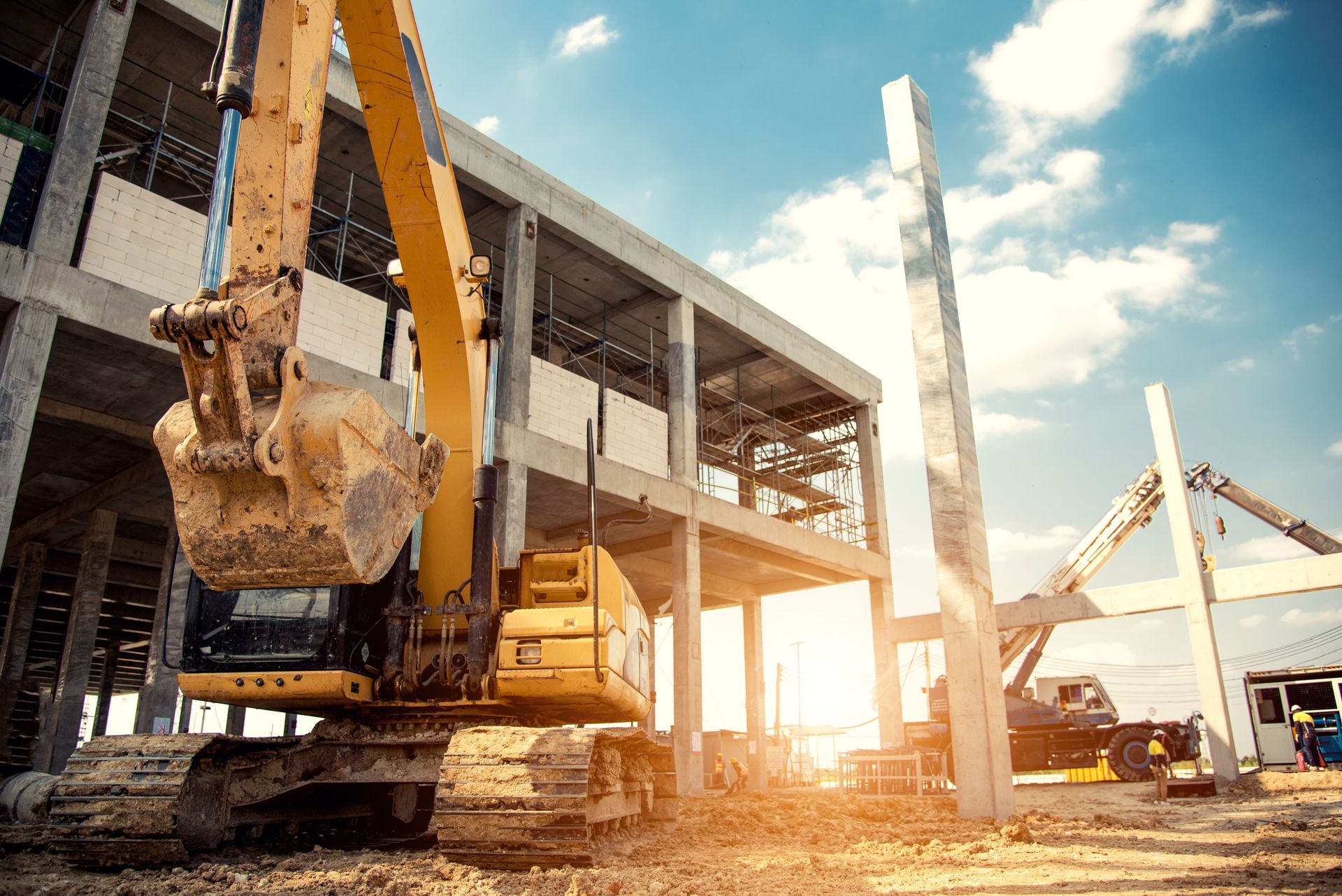
Mobile cranes offer unmatched flexibility and rapid site transit across varied job parameters. Common configurations include truck-mounted cranes for swift highway transportation between jobs, rough-terrain cranes featuring all-wheel drive and wide tires for unpaved ground, and all-terrain hybrid models engineered for both road speeds and off-road capability. Heavy crawler cranes on tracks offer exceptional stability on soft soil, allowing the machine to travel across the site while carrying substantial loads.
Evaluating Mobile Crane Advantages
The primary advantage of mobile machinery is swift deployment and rapid jobsite turnaround. Mobile units arrive on location ready to position outriggers and extend hydraulic booms without requiring lengthy assembly schedules. This flexibility allows contractors to utilize a single machine across multiple job sites or re-position the crane as construction progresses across a sprawling commercial development.
Identifying Mobile Crane Limitations
Mobile units generally feature lower ultimate height reaches and reduced load capacities compared to massive fixed tower cranes. They also demand clear ground space, firm soil compaction, and wide outrigger footprints to establish base stability, which can present operational challenges on highly congested, muddy, or sloping job sites.
Determining Ideal Mobile Crane Applications
Mobile lifting equipment is ideal for low-to-mid-rise construction, short-term utility maintenance, structural steel placement, emergency repair work, and dynamic projects requiring flexible site transit. They deliver essential lifting power and operational agility without requiring permanent structural foundations or permanent site modifications.
Prioritizing Mobile Crane Safety Protocols
Mobile crane safety relies heavily on thorough daily mechanical inspections, accurate ground bearing pressure calculations, and proper outrigger pad deployment. Establishing clear exclusion zones and maintaining open radio communication between ground spotters and operators ensures safe maneuvers when working near overhead power lines or in tight urban quarters.
Analyzing Financial and Logistical Considerations
Comparing Rental and Operational Expenses
Financial planning requires carefully evaluating mobilization fees, daily operational rates, and total project duration. While fixed tower units carry higher upfront assembly and engineering costs, their daily operational cost efficiency excels on multi-year, high-density builds. Conversely, choosing a mobile crane rental offers substantial cost savings for short-term tasks or phased work due to rapid setup, minimal site preparation, and reduced labor requirements.
Factoring Maintenance and Inspection Costs
Regular preventive maintenance ensures operational safety while preventing unexpected job site delays and expensive downtime. Tower crane maintenance involves complex climbing inspections, bolt torque checks, and electrical assessments, whereas mobile units require ongoing chassis servicing, hydraulic fluid checks, and tire or track inspections due to frequent road travel and off-road mobility.
Assessing Project Duration Impacts
The project timeline directly dictates the most economical equipment selection strategy. Long-term commercial builds easily justify the initial installation investment of fixed towers by distributing setup costs over months or years. Short-duration builds, emergency retrofits, or phase-based tasks benefit from flexible crane rental agreements that can be adjusted on demand to match evolving site schedules.
Evaluating Insurance and Liability Commitments
Comprehensive insurance coverage is essential to protect project stakeholders against equipment failure, structural damage, or site accidents. Tower crane policies typically address high-altitude risk, rigging liabilities, and long-term site placement. Mobile coverage emphasizes road transit risks, ground stability hazards, and multi-site operational flexibility.
Navigating Market Economics and Partner Selection
Fluctuations in local equipment demand, regional construction booms, and seasonal weather patterns directly impact machine availability and rental rates. Securing early contracts and partnering with a trusted equipment provider ensures access to modern, well-maintained machinery at competitive rates.
For comprehensive equipment support, expert site evaluation, and top-tier service, trust A & B Welding & Construction Inc to deliver reliable lifting solutions tailored precisely to your engineering requirements. Securing the right crane rental partner ensures seamless project execution from ground excavation to final topping-out.