July 20, 2026
In the rapidly evolving landscape of modern construction and industrial operations, crane services have emerged as a backbone of efficiency and safety. The sheer magnitude of tasks that these services handle, ranging from lifting heavy materials to setting large-scale structural components, underscores their indispensable nature. Without them, many projects would face insurmountable risks and delays, highlighting the crucial role of cranes in seamlessly executing heavy-lifting tasks.
In recognizing crane services as essential, it becomes evident that their utility goes beyond simple lifting tasks. They are central to a project's structural integrity, operational efficiency, and safety compliance. By equipping projects with the right resources, crane services drive successful outcomes, enhancing the capacity to accomplish complex projects within stringent timelines and budgets.
Enhancing Efficiency and Productivity
The integration of crane services is synonymous with enhanced productivity in construction projects. By automating and accelerating material handling, cranes significantly reduce the time otherwise spent on manual labor, fostering efficiency on site. Their ability to operate in expansive vertical and horizontal planes means they can handle multiple tasks simultaneously, expediting project timelines significantly. With the right crane, construction projects can achieve a rhythm that keeps all operations in sync, eliminating bottlenecks and maintaining momentum. Additionally, cranes ensure that materials are positioned with precision, minimizing waste and optimizing workflow.
By leveraging cutting-edge technology, cranes boost productivity beyond the capabilities of manual processes. Modern cranes come equipped with features such as enhanced load capacities and advanced control systems that streamline operations. These capabilities allow crane operators to execute tasks with heightened accuracy and speed, which translates into shorter project durations. Moreover, cranes provide flexibility in material handling, adapting swiftly to the dynamic needs of construction sites. This agility is instrumental in maintaining productivity even in complex environments.
Crane services not only increase efficiency but also ensure a project's cost-effectiveness by optimizing resource utilization. The reduction in manual labor requirements means that labor costs can be significantly lowered, freeing up resources for other critical areas of the project. According to the U.S. Bureau of Labor Statistics, the "Other Specialty Trade Contractors" sector employs 10,310 crane and tower operators, highlighting their importance in the workforce. These operators compose 1.33% of the sector's workforce, showcasing the reliance on specialized crane services for efficient project execution. Such reliance underscores the significance of crane services in maintaining budgetary constraints while enhancing productivity.
Ensuring Safety Standards are Met
Safety is a paramount concern on any construction site, and
crane services play a pivotal role in upholding safety standards. Cranes are engineered with safety features that minimize the risk of accidents, such as load sensors, overload protection, and anti-collision systems. These features work in tandem to maintain a secure environment for workers and equipment. By lifting heavy loads with precision, cranes prevent the dangerous scenarios that can arise from human error during manual lifting operations. The structured and controlled methodology of cranes ensures that operations are conducted with adherence to established safety protocols.
The presence of specialized crane operators further reinforces safety standards. These trained professionals not only maneuver equipment with expertise but are also adept at assessing and mitigating potential risks on-site. Their knowledge of safety regulations and operational limits ensures that tasks are executed within safe boundaries. Operators are capable of swiftly adjusting to changing conditions, ensuring that safety is maintained at all times. This capacity for real-time problem-solving is crucial in preventing accidents and maintaining a secure project site.
Cranes also contribute to safety by reducing physical strain on laborers. By handling the bulk of the heavy lifting, cranes significantly lower the risk of musculoskeletal injuries associated with manual labor. The use of cranes aligns with regulatory requirements for maintaining worker safety, fostering a culture of safety on construction sites. The collaboration between crane services and safety officers facilitates the implementation of comprehensive safety strategies. Thus, crane services are not merely a convenience but a vital contributor to maintaining the highest safety standards in construction projects.
Managing Time Constraints Effectively
Cranes are instrumental in managing the tight timeframes prevalent in the construction industry. Their capacity to handle large volumes of material swiftly reduces the time needed to complete various tasks. This ability to perform critical lifts promptly and reliably ensures that projects stay on schedule, mitigating the risk of costly delays. Cranes enhance the pace of construction work by concurrently managing multiple lifting requirements, aligning project timelines with client expectations and contractual obligations.
By orchestrating lifts according to a project's phases, cranes play a strategic role in project management. Their deployment is often synchronized with the critical path of a construction timeline, targeting the most essential and time-sensitive tasks. This strategic alignment means that crane services are indispensable to maintaining progress across different stages of construction. Through precise control and execution of tasks, cranes maximize the potential for completing projects within the designated timeframe. Such efficiency translates to reduced labor hours and other time-related expenditures, bolstering overall project efficiency.
The expertise of crane operators further enhances project timeline management. These skilled professionals bring invaluable insights into the planning and execution phases, allowing for a more cohesive project schedule. Operators provide crucial input on sequencing, load handling capabilities, and optimal crane configurations, which supports effective timeline management. The sophisticated integration of cranes into project workflows underscores their vital role in meeting strict deadlines, affirming their contribution to successful project delivery. With cranes at the helm of material manipulation, construction projects are well-prepared to tackle time constraints head-on.
Facilitating Access to Difficult Locations
One of the remarkable capabilities of crane services is their ability to access and operate in challenging locations that would be otherwise difficult for traditional methods. Cranes can reach heights and distances that are impossible to manage with manual effort alone, making them indispensable in urban environments with restricted space. Whether it's navigating tight cityscapes or reaching over obstacles, cranes offer unparalleled versatility and reach in accessing hard-to-reach areas. Their design and operational capabilities make them ideal for projects demanding precision and finesse in difficult locations.
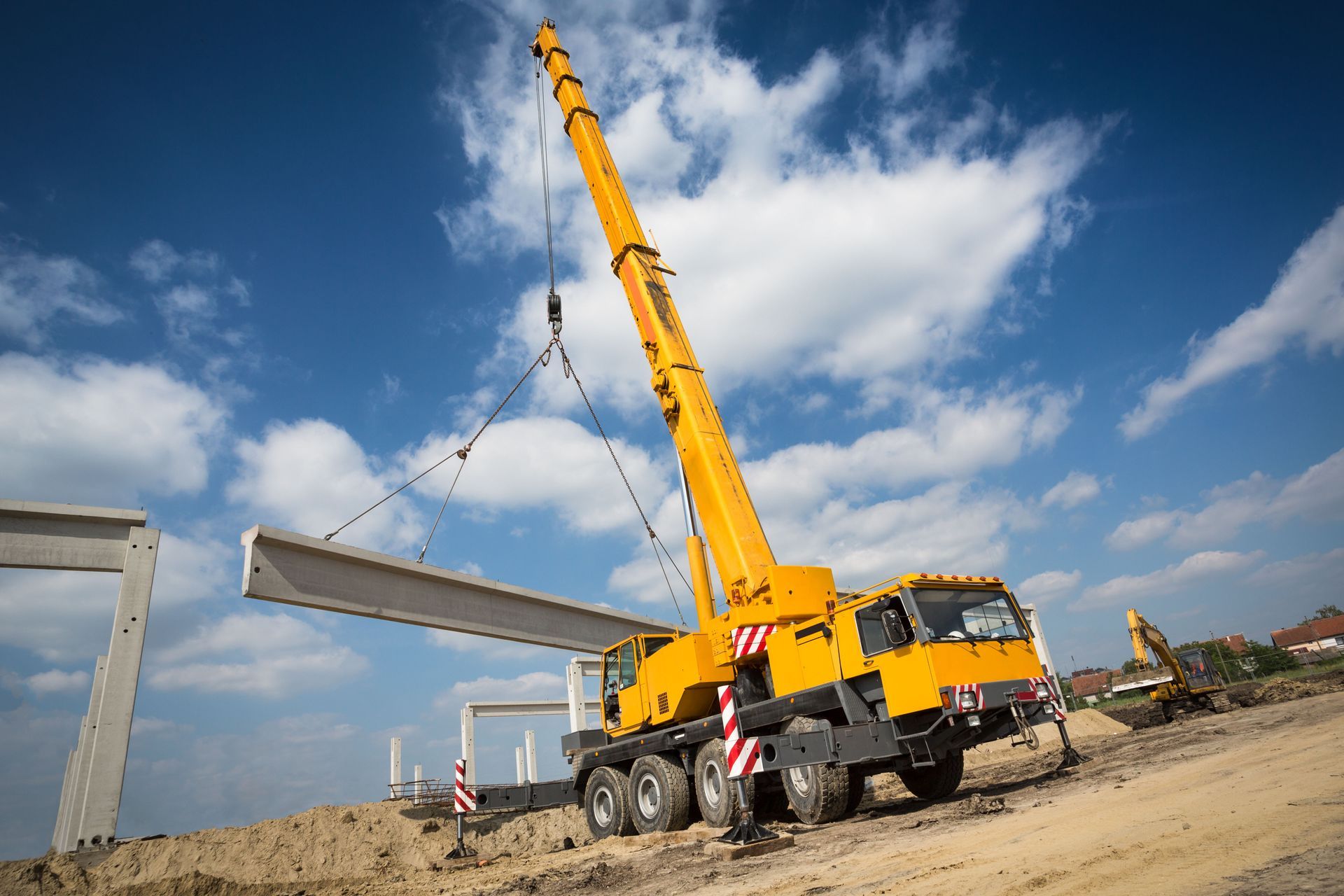
Cranes are engineered with mobility and adaptability in mind, equipped to maneuver through urban jungles and rough terrains with ease. Mobile cranes, in particular, provide a remarkable adaptability by being able to both drive on roads and cover terrains that might be unfit for other construction vehicles. This mobility allows construction projects to progress without the need for extensive site preparation, ultimately saving time and reducing disruptions to surrounding areas. The efficacy of cranes in easing logistical challenges enables construction teams to focus more on building, rather than on navigating site constraints.
Reducing Manual Labor Requirements
Cranes significantly alleviate the burden of manual labor, thus reshaping the labor landscape in construction sites. They accomplish tasks that would otherwise require large teams, effectively redistributing the labor force to other critical project areas. This not only leads to an increase in efficiency but also enhances worker well-being by minimizing strenuous physical activities. Automated lifting reduces the risk of work-related injuries and promotes a healthier work environment. As a result, the construction industry can redirect skilled labor to tasks demanding precision and expertise, striking a balance between mechanization and human intervention.
The deployment of cranes ensures that the heavy lifting component of construction does not rely solely on human effort. The mechanical advantages of cranes allow for unparalleled weights to be lifted and manipulated with ease, tasks that traditionally required a considerable workforce. This reduction in reliance on manual labor translates to a leaner operation, where resources can be optimized for better efficiency. Over time, this significantly reduces labor costs by lowering the number of workers needed for physically demanding roles. By compensating for the physical limitations of human labor, cranes are indispensable in optimizing a construction project's workforce.
In today's construction and industrial environments, crane services do far more than lift heavy materials—they support safer worksites, smoother workflows, and more efficient project completion. From reducing manual labor and improving access to difficult locations to helping teams stay on schedule, cranes play a vital role in keeping operations productive and organized. As projects continue to grow in size and complexity, dependable crane services remain an essential investment for meeting demands with precision, safety, and confidence. Contact A & B Welding & Construction Inc today for more information.