August 17, 2026
Modern construction sites rely heavily on mechanized lifting equipment to streamline complex operations, boost overall productivity, and maintain rigorous safety standards across every phase of development. From historical wooden models powered by human labor and simple pulleys to today's sophisticated hydraulic and lattice boom machines integrated with digital automation, heavy lifting technology has evolved dramatically over the centuries. In the fast-paced, high-stakes environment of modern commercial and industrial construction, the margin for error is razor-thin. Project managers face relentless pressure to meet tight deadlines, stay within strict budgetary constraints, and navigate intricate urban job site footprints where space is at a premium and safety risks are amplified.
In this demanding landscape, attempting to manage heavy rigging and material transport without specialized support often leads to operational bottlenecks, equipment misallocations, and costly project downtime. Understanding how these powerful machines operate, how professional operators manage intricate lifts under challenging environmental conditions, and how strategic logistical planning directly impacts project success is essential for modern builders aiming to maintain a competitive edge. By leveraging high-capacity machinery alongside trained logistics experts, general contractors can optimize raw material flow, mitigate severe structural risks, and ensure that specialized trades operate in perfect synchronization.
Exploring the Role of Cranes in Modern Construction
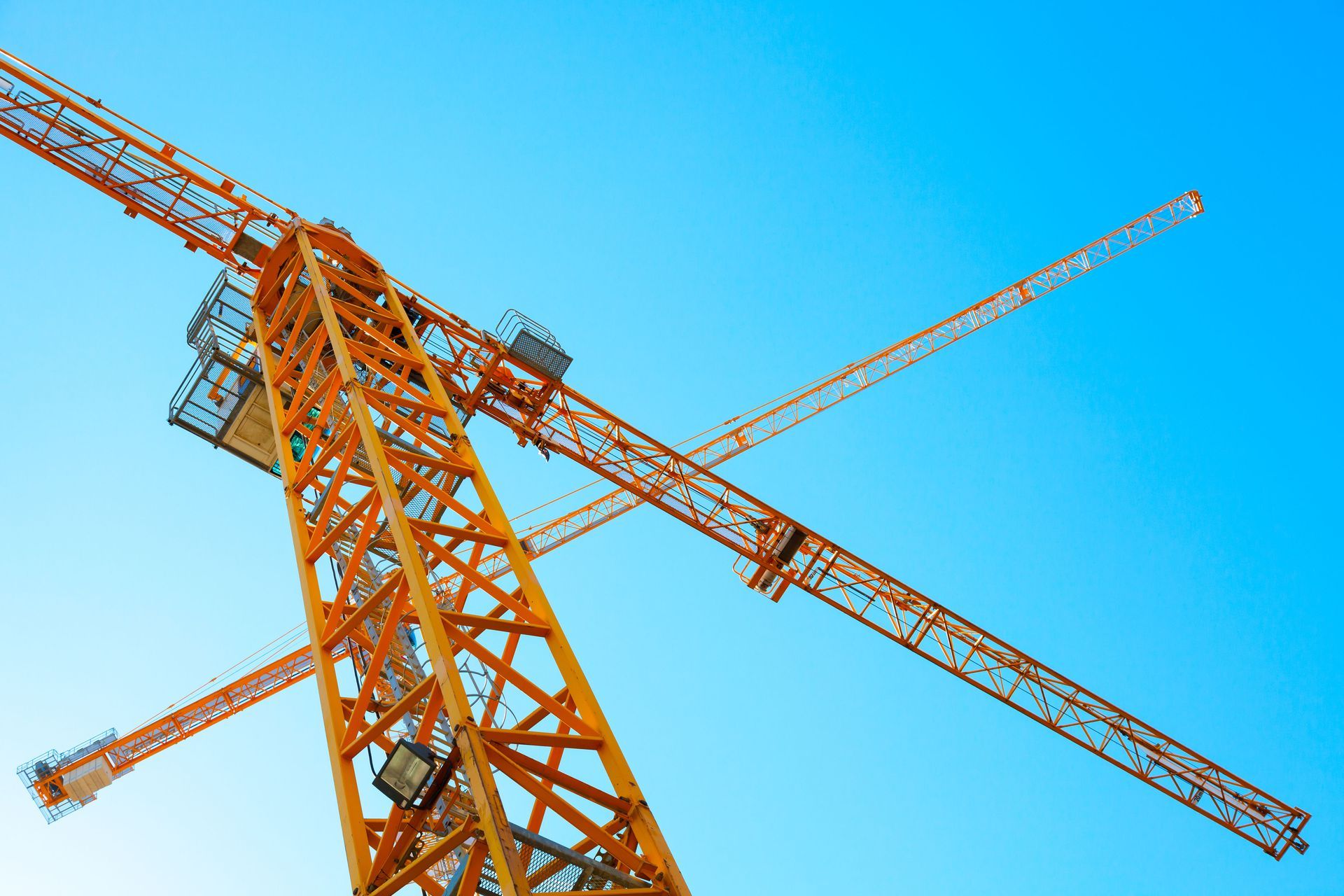
In contemporary construction, various lifting machines handle specific tasks with remarkable precision. Tower cranes provide essential reach and stability for tall buildings, while mobile units offer flexibility across shifting sites. Crawler versions navigate rough terrain easily. Advancements like sensor technology, GPS, and remote-controlled systems minimize human error and elevate productivity. Professional crane services bring this advanced technology directly to job sites, ensuring that contractors have access to the exact machinery required for complex lifting challenges without capital investment hurdles. Furthermore, expert logistical planning ensures that equipment arrives precisely when needed, preventing costly idle time and keeping trades synchronized across large-scale commercial and residential developments.
Accelerating Timelines Through Efficient Operations
Efficient lifting operations significantly impact project timelines by expediting material handling and reducing manual labor bottlenecks. When contractors partner with specialized providers, job sites experience fewer delays because operators work swiftly and safely. This operational speed is vital in a competitive industry where meeting tight deadlines dictates profitability. Moreover, the ability of modern machinery to perform complex multi-ton lifts reduces dependence on intensive manual labor, accelerating project completion phases. Expert crane services minimize equipment downtime and prevent material damage, ensuring projects stay on schedule from initial ground-breaking to final structural completion while maintaining optimal resource allocation.
Maintaining Rigorous Safety Standards On-Site
Safety remains paramount in heavy construction, requiring comprehensive training and strict adherence to protocol. Professional operators undergo rigorous education to master safety guidelines, minimizing the risk of catastrophic accidents. By choosing specialized crane services, construction companies protect their workforce, avoid costly project shutdowns, and maintain full compliance with evolving regulatory standards. This uncompromising focus on safety creates a secure working environment for all trades on site, reducing liability exposure and fostering a culture of accountability. Regular equipment audits and pre-lift safety briefings further reinforce this commitment to zero-incident operations.
Assessing Equipment Quality and Provider Credentials
Selecting the right equipment provider requires a careful evaluation of credentials, insurance coverage, and fleet maintenance records. High-quality machinery reduces the risk of dangerous mechanical breakdowns, while comprehensive general liability and workers' compensation insurance protect project stakeholders from unforeseen liabilities. Thoroughly reviewing client testimonials and past case studies offers valuable insights into a provider's reliability and track record under pressure. Experienced crane services deliver transparent communication and reliable fleet maintenance, giving project managers complete confidence that their chosen partner possesses the technical capability to handle intricate architectural demands safely.
Establishing Proactive Emergency Preparedness Protocols
Developing structured emergency response plans and crisis management protocols safeguards personnel during unexpected job site events. Professional teams conduct routine hazard assessments, weather monitoring, and emergency drills to ensure operators and ground crews act decisively under pressure. Maintaining real-time communications between riggers, spotters, and crane cabins eliminates guesswork when environmental conditions change rapidly. Implementing clear emergency procedures minimizes potential injuries, limits structural damage, and ensures job site personnel remain thoroughly protected throughout every lifting phase.
Upgrading Rigging Hardware and Mechanical Fittings
Securing heavy loads effectively depends on utilizing inspected, high-grade rigging hardware tailored to specific payload dynamics. Spreader bars, specialized slings, shackles, and wire ropes must undergo routine stress tests to ensure structural integrity under heavy capacity demands. Utilizing improper or worn rigging components introduces severe failure risks that compromise entire construction zones. Partnering with certified crane services guarantees that every sling angle, hook latch, and load balance calculation is verified by experienced riggers before equipment leaves the ground.
Streamlining On-Site Communication Systems
Coordinating heavy equipment maneuvers requires flawless communication channels between crane operators, signal persons, and ground crews. Utilizing standardized hand signals alongside dedicated two-way radio frequencies ensures that every movement is executed with pinpoint accuracy. Clear communication prevents load swinging, blind-spot collisions, and structural impacts in tight urban construction sites. Investing in advanced wireless headsets and noise-canceling headsets allows rigging crews to execute complex tandem lifts smoothly without miscommunication risks.
Optimizing Ground Stability and Soil Conditions
Analyzing ground bearing capacity before placing heavy machinery prevents catastrophic tipping risks and structural shifting during heavy picks. Engineering teams evaluate soil density, moisture content, and subterranean utility layouts to determine appropriate outrigger placement and matting configurations. Utilizing heavy-duty timber or steel outrigger pads distributes massive load forces evenly across soft, sandy, or uncompacted terrain. Proper ground preparation ensures that high-capacity machinery remains completely level and stable throughout complex multi-ton operations.
Managing Environmental and Weather Constraints
Monitoring real-time weather metrics like wind speeds, barometric pressure shifts, and sudden lightning risks is essential for maintaining site safety during high-elevation maneuvers. High wind gusts act against large load surface areas, creating uncontrollable sail effects that jeopardize ground personnel and surrounding structures. Modern operations utilize anemometers mounted on booms to transmit automated wind threshold warnings directly to control cabs. Establishing strict weather-related shutdown protocols prevents equipment instability and protects surrounding property from sudden environmental hazards.
Leveraging Technology for Superior Job Site Efficiency
Modern lifting operations increasingly rely on real-time data tracking, automated systems, and IoT integrations to optimize performance. Automated routines execute repetitive lifting tasks with consistent accuracy, while telemetry platforms monitor equipment health to predict maintenance needs before failures occur. According to IBISWorld, 1,398 crane rental businesses exist in the United States in 2026, reflecting significant market growth and competitive opportunities. Utilizing advanced crane services allows modern builders to harness these digital innovations seamlessly, integrating lift schedules directly into enterprise project management software for enhanced transparency and resource coordination.
Adopting Sustainable and Smart Site Innovations
The future of heavy construction focuses heavily on eco-friendly technologies, including electric and hybrid lifting systems designed to reduce carbon emissions and fuel consumption. Smart construction sites leverage IoT devices and artificial intelligence to optimize routing, predict movement paths, and coordinate heavy lifts across complex job sites. Forward-thinking providers incorporate these sustainable engineering advancements, helping builders meet strict environmental regulations and achieve greener project outcomes. As urban density increases and regulatory frameworks tighten, adopting these innovative, low-emission machinery solutions becomes essential for long-term industry leadership.
Professional lifting management plays an indispensable role in maximizing job site efficiency, safety, and productivity. By integrating advanced technology, skilled operators, and rigorous safety protocols, construction projects achieve unprecedented levels of success. Embracing these modern operational strategies ensures long-term profitability, structural integrity, and environmental sustainability. To elevate your next heavy construction project with expert lifting solutions, contact A & B Welding & Construction Inc.