August 19, 2026
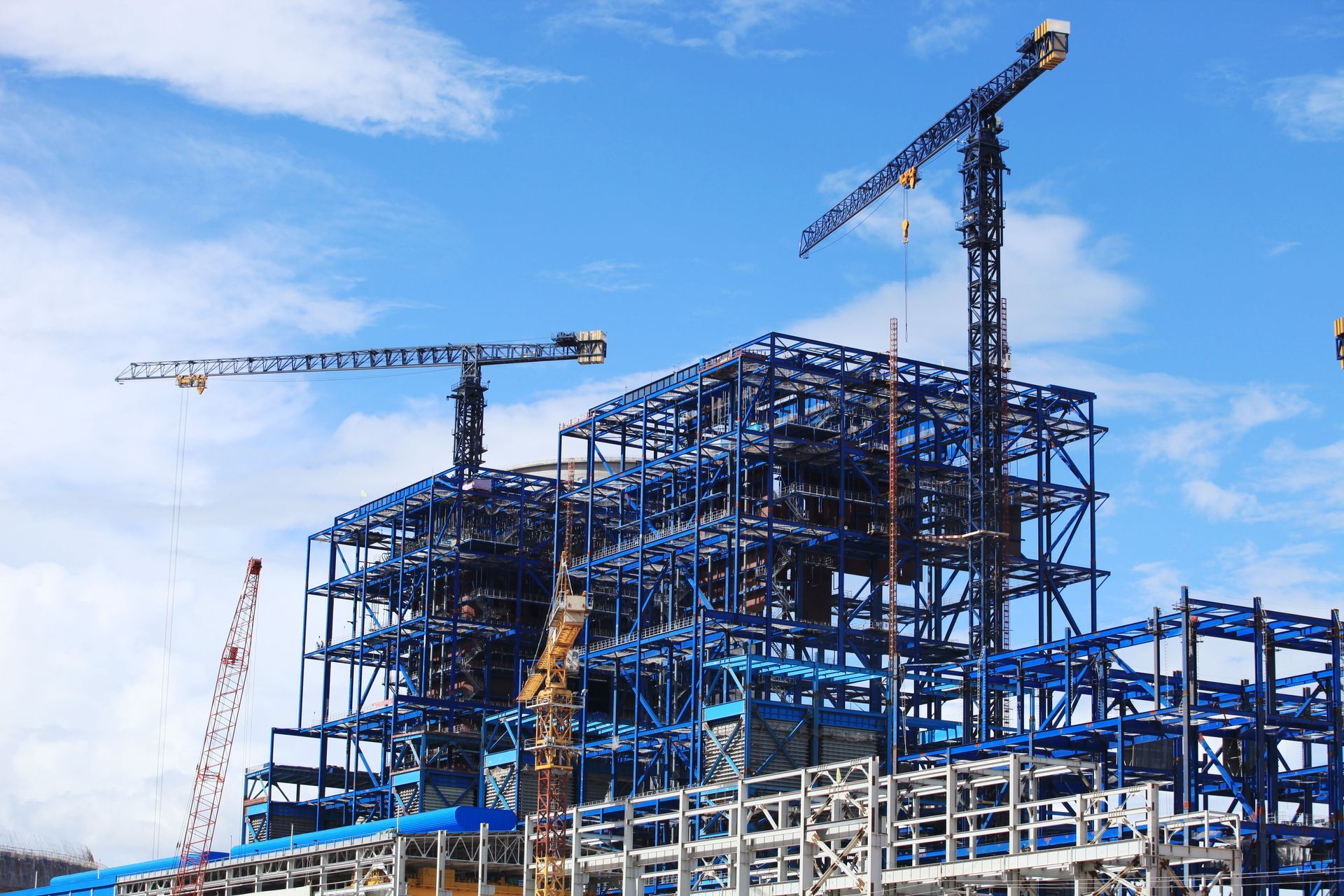
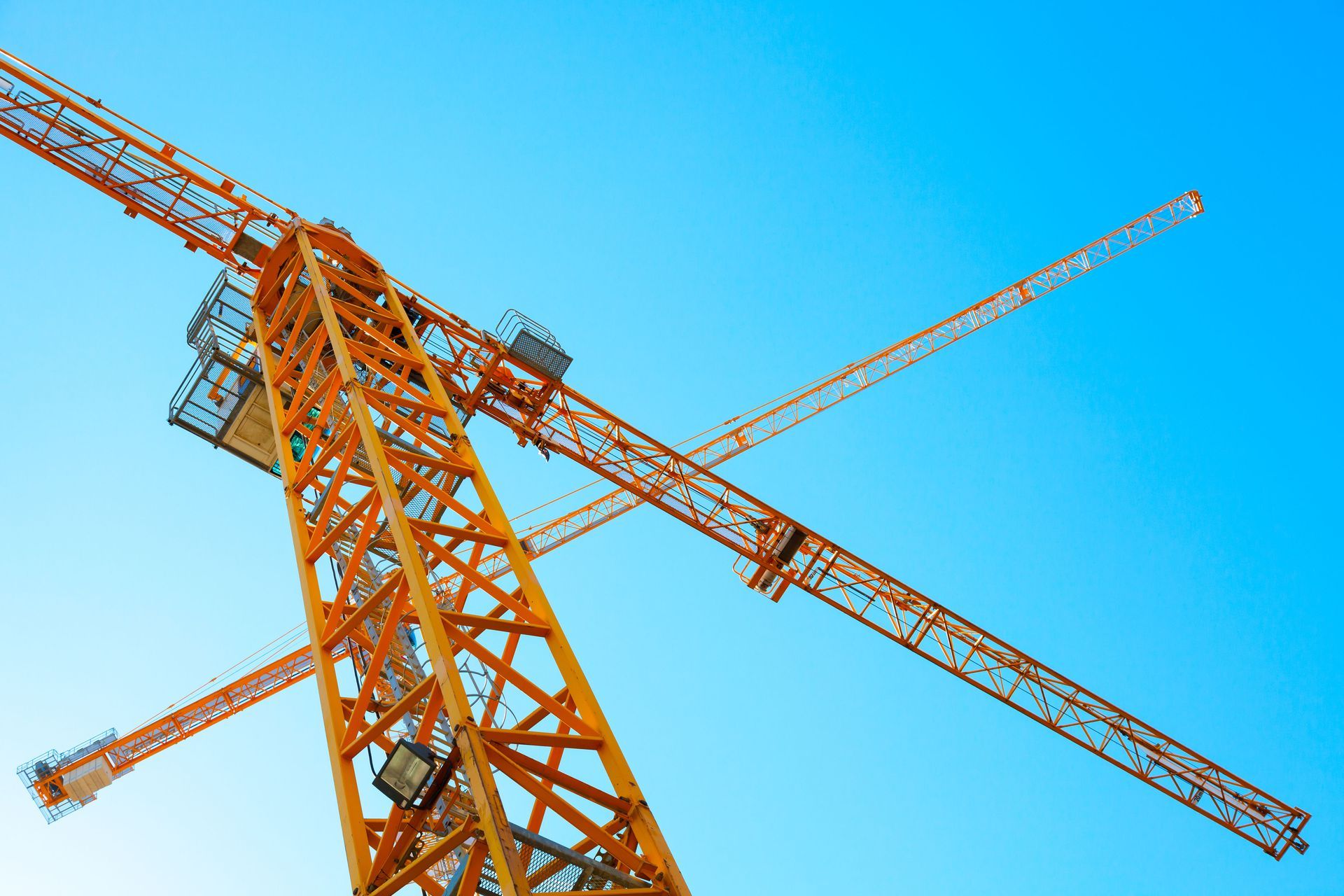
Structural projects often involve moving heavy materials, positioning large components, and working around complex site conditions. When cranes are part of the process, every lift must be approached with careful planning and attention to safety. The weight, dimensions, placement, and movement of structural materials can all affect the stability of a project and the safety of everyone nearby. Experienced crane contractors bring the equipment knowledge, operational expertise, and coordination needed to manage these demanding tasks while supporting safe, efficient project completion.
Crane operations require much more than simply moving an object from one location to another. Professionals must consider site access, ground conditions, equipment capacity, surrounding structures, weather, and the characteristics of each load. Professional oversight also helps ensure that crane operations complement the work of other crews on the site.
According to IBISWorld, the U.S. crane rental services industry has a market size of $10.9 billion in 2026, demonstrating the significant role crane equipment and related services play across construction and industrial projects. With so much depending on these operations, selecting experienced crane contractors is an important part of maintaining structural safety.
Strengthening Safety Through Detailed Planning
Evaluating Project Requirements
Every lifting project begins with different structural and logistical demands. Professionals evaluate the materials being handled, their dimensions and weight, and the locations where they need to be placed. This assessment creates a clearer understanding of what the operation will require before equipment is put into motion. Careful evaluation can also reveal potential complications that should be addressed during planning.
Assessing Site Conditions
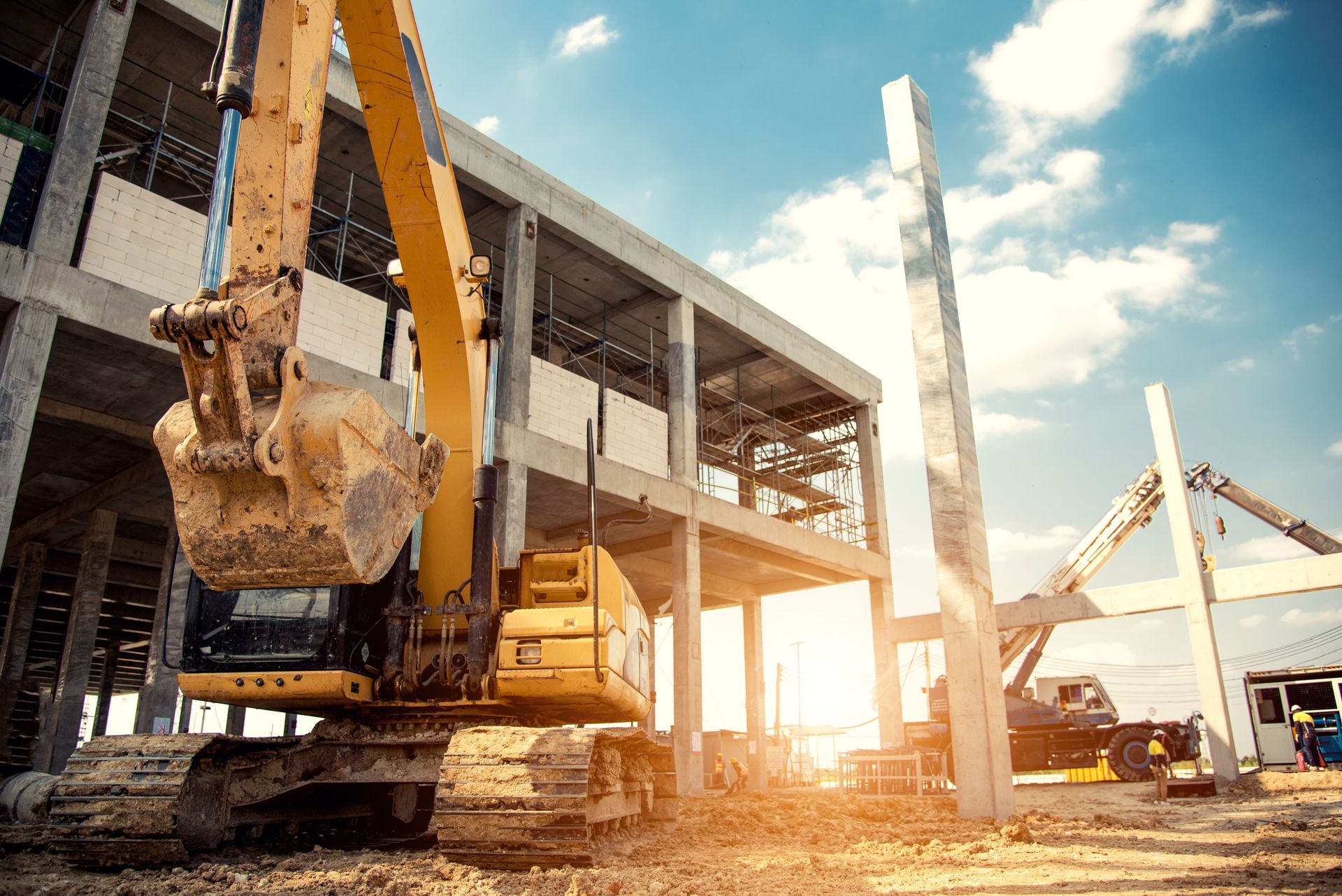
The physical characteristics of a job site can influence crane operations considerably. Available space, access routes, nearby buildings, overhead obstacles, and ground conditions must all be considered. Experienced teams assess these factors so that equipment can be positioned appropriately and operations can proceed within the realities of the site.
Anticipating Operational Challenges
Planning allows professionals to identify challenges before they interfere with a lift. Limited maneuvering space, unusual load dimensions, or other site activity may require additional coordination. Experienced crane contractors understand how these variables interact and can develop an approach that supports both structural safety and efficient project execution.
Coordinating Project Activities
Crane operations rarely occur independently from the rest of a construction project. Other trades, equipment, deliveries, and personnel may all be active nearby. Careful coordination helps keep lifting activities aligned with the broader schedule while maintaining organized work areas and reducing unnecessary conflicts between crews.
Strengthening Safety Through Proper Equipment Selection
Matching Equipment to Loads
Different lifting situations require different equipment capabilities. Load weight, dimensions, lifting height, and reach can influence which crane is appropriate for a particular project. Professional selection helps ensure that equipment is suited to the demands of the work rather than relying on a one-size-fits-all approach.
Considering Site Limitations
The most appropriate equipment must work within the physical limitations of the site. Tight spaces, uneven terrain, limited access, or nearby structures can influence equipment decisions. Experienced crane contractors consider both lifting requirements and environmental constraints when determining how a project should be approached.
Supporting Stable Operations
Equipment selection directly contributes to stability during lifting. Professionals understand that the crane, load, positioning, and surrounding conditions must function together as a complete system. Selecting suitable equipment creates a stronger foundation for controlled movement and accurate material placement throughout the operation.
Maintaining Equipment Readiness
Reliable crane operations also depend on equipment that is prepared for the demands of the project. Professional teams place importance on equipment condition and operational readiness before lifting begins.
Strengthening Safety Through Skilled Load Handling
Controlling Heavy Materials
Structural materials can be extremely heavy and difficult to maneuver, particularly when they must be positioned at height or within confined spaces. Skilled operators understand how crane movement affects a suspended load and how controlled operation contributes to safer placement.
Maintaining Controlled Movement
Sudden or unnecessary movement can create additional risk during lifting operations. Professional crane contractors focus on maintaining controlled, deliberate movements appropriate for the load and site. This approach supports predictable handling and helps crews coordinate more effectively as materials move from their starting position to their final location.
Positioning Components Accurately
Accuracy is essential when structural steel, beams, equipment, or other large components need to fit within established project specifications. Careful crane operation allows these materials to be positioned where they are needed without unnecessary movement.
Protecting Structural Materials
Heavy materials may represent a substantial investment and can be difficult to replace if damaged. Professional handling helps protect components while they are being transported through the work area and positioned.
Strengthening Safety Through Clear Communication
Coordinating Operators and Ground Crews
Successful lifting depends on cooperation between the crane operator and personnel working around the load. Clear communication allows everyone involved to understand the intended movement and respond appropriately as conditions change.
Maintaining Consistent Procedures
Established communication procedures help reduce confusion during complex operations. Experienced crane contractors understand the importance of consistency when coordinating movements, positioning materials, and responding to changing circumstances.
Responding to Changing Conditions
Construction sites are dynamic environments. Weather, site traffic, material deliveries, or other activities can affect previously planned operations. Strong communication makes it easier for crews to respond appropriately when circumstances change rather than allowing unexpected conditions to create unnecessary pressure or confusion.
Supporting Site-Wide Awareness
Communication extends beyond the immediate lifting crew. Other personnel on the site may need to understand where crane activity is occurring and how it affects their work. Maintaining awareness helps keep the overall project organized while reducing conflicts between crane operations and surrounding construction activities.
Strengthening Safety Through Professional Experience
Recognizing Potential Hazards
Experience helps professionals recognize conditions that may deserve additional attention before a lift proceeds. Site limitations, load characteristics, environmental factors, and nearby activity can create challenges that are not always obvious at first glance.
Applying Knowledge Across Projects
Crane work can vary significantly between structural, commercial, industrial, and other construction environments. Experienced crane contractors bring knowledge gained from working with different loads, layouts, and site conditions.
Making Informed Decisions
Conditions sometimes require decisions to be made while work is underway. Professional experience provides a stronger foundation for evaluating circumstances and determining an appropriate response. Rather than focusing only on speed, knowledgeable teams can consider how a decision may affect the load, equipment, structure, and surrounding personnel.
Supporting Consistent Performance
Structural safety depends on consistent attention throughout the project, not only during particularly challenging lifts. Experienced professionals apply the same focus to planning, equipment operation, communication, and material placement throughout their work.
Strengthening Safety Through Efficient Project Coordination
Reducing Unnecessary Delays
Delays can affect labor, equipment availability, deliveries, and the schedules of multiple contractors. Thorough preparation helps crane operations proceed more predictably. When materials, equipment, personnel, and site access are properly coordinated, crews are better positioned to complete scheduled lifts without preventable interruptions.
Supporting Construction Schedules
Many construction activities depend on structural materials being placed before subsequent work can begin. Reliable crane contractors understand how their operations fit into these larger schedules. Completing lifting activities efficiently can help other trades maintain momentum while still keeping safety and accuracy central to the process.
Improving Job Site Organization
Organized crane operations contribute to a more manageable job site. Equipment positioning, material staging, work zones, and communication can all influence how smoothly crews operate around one another. Professional coordination helps reduce unnecessary congestion and supports a clearer workflow during periods of significant activity.
Protecting Long-Term Project Quality
Efficiency should never come at the expense of structural quality. Accurate placement and controlled material handling help establish the conditions needed for later stages of construction to proceed correctly.
Careful planning, appropriate equipment, skilled load handling, clear communication, professional experience, and efficient coordination all work together to create more controlled lifting conditions. Because structural components can be extremely heavy and difficult to position, the quality of crane operations can influence both immediate job site safety and the overall progression of a construction project.
Professional crane contractors also help project owners and construction teams manage the many variables involved in heavy lifting. Rather than treating each lift as an isolated task, experienced professionals consider how equipment, personnel, site conditions, structural materials, and schedules interact.
If your upcoming project requires dependable heavy lifting and professional coordination, contact A & B Welding & Construction Inc today. Our experienced crane contractors can provide the expertise, equipment knowledge, and careful project support needed to help maintain structural safety and keep your construction work moving forward with confidence.